
As an Amazon Associate BakingBakewareSets.com earns from qualifying purchases.
Spicy Gochujang Chicken: Easy Weeknight Dinner, Flavor-Packed Recipe
Craving a quick, flavor-packed dinner that puts takeout to shame? You’re tired of the same boring weeknight meals, searching for a Spicy Gochujang Chicken Recipe that’s both exciting and easy to make.
This Spicy Gochujang Chicken recipe is a quick and easy weeknight dinner, ready in under 30 minutes, featuring tender chicken in a sweet, sticky, and spicy Gochujang sauce. It’s a simple, flavor-packed meal that delivers authentic Korean BBQ flavor right at home. This is the answer to your weeknight dinner dilemma.
Drawing from proven methodologies, this guide breaks down the authentic technique for balancing the complex flavors of Gochujang paste. You will discover how to create a perfectly caramelized, glossy chicken dish every single time. Get ready to master a new family favorite that’s faster and healthier than ordering out.
☰ Table of Contents ▼
show
Craving a Quick and Flavorful Weeknight Meal That Beats Takeout?
This is more than just a recipe; it’s your new strategy for conquering busy weeknights with a meal that feels special. We’re about to walk through the simple process of creating an addictively sticky, sweet and spicy chicken dish that will have everyone asking for seconds. Forget the long wait times and expense of takeout. This chef-tested recipe has been refined for the home cook, proving that you can achieve a restaurant-quality, flavor-packed recipe in your own kitchen in under 30 minutes. We’ll focus on the essential techniques that build layers of authentic Korean flavors, from creating the perfect sauce to getting that ideal sear on the chicken.
7 Simple Steps to Perfect Gochujang Chicken Every Time
Making incredible Gochujang Chicken at home is all about following a few key steps in the right order. This isn’t just a list of instructions; it’s a visual and instructional guide designed to build your confidence and guarantee success. We’ll break down the entire process, from mixing the signature sweet and spicy sauce to the final garnish. Each step demonstrates how core ingredients like Gochujang paste, chicken thighs, and cornstarch work together to create that perfect texture and taste. Get ready to prepare, sear, and glaze your way to the best homemade Korean BBQ Chicken you’ve ever had.
1. Whisk Together the Perfect Sweet & Spicy Sauce

Pin this sauce recipe to your ‘Easy Dinners’ board!
The heart of this dish is its signature easy sauce recipe. This simple mixture is where the magic happens, balancing spicy, sweet, and umami-rich flavors. Don’t be intimidated by the ingredients; they come together in seconds to create a sauce that tastes like it simmered for hours.
Ingredients
- Gochujang (Korean chili paste): The star of the show, providing fermented, spicy, and slightly sweet notes.
- Honey: Balances the heat and helps create a sticky, caramelized glaze.
- Low-Sodium Soy Sauce: Adds umami-rich savory depth.
- Toasted Sesame Oil: For a nutty, aromatic finish.
- Rice Vinegar: Provides acidity to cut through the richness.
- Garlic Cloves, minced: A foundational aromatic.
- Ginger, freshly grated: Adds warmth and a spicy kick.
Instructions
- In a small bowl, combine the Gochujang paste, honey, soy sauce, sesame oil, rice vinegar, minced garlic, and grated ginger. Whisk until the sauce is smooth, glossy, and well-combined. Set aside.
Pro-Tip: The flavor of Gochujang paste can vary by brand. Some are sweeter, some are spicier. After mixing your sauce, give it a taste. If it’s too intense, you can balance it with a little extra honey or a splash of water. This is a key step in flavor layering.
![Gochujang – Premium Korean Red Chili Paste [ Medium | 1.1 Lb (500G) ] – 0 Fat/ 0 Cholesterol / (40 Calories/Serving) | Spicy & Sweet Savory Fermented Sauce | Great For Bibimbap, Marinades, Stews & Bbq - O’food](https://m.media-amazon.com/images/I/410i4jhhvxL._SL160_.jpg)
2. Prepare Your Chicken for Maximum Flavor Absorption

Save this prep tip for perfectly tender chicken every time!
Properly preparing the chicken is crucial for achieving that perfect Tender + Juicy texture. We’ll explain why we recommend a specific cut and how a few simple prep steps make all the difference. This is the foundation for creating perfect bite-sized chicken pieces.
What You Need
- Boneless, skinless chicken thighs: About 1.5 pounds.
- Salt and freshly ground black pepper.
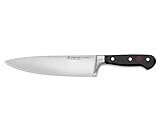
- A sharp chef’s knife and cutting board.
Steps
- Dice the chicken thighs into uniform, bite-sized pieces, about 1-inch each. This ensures even cooking.
- Pat the chicken pieces completely dry with paper towels. This is a critical step for getting a good sear.
- Season the chicken lightly with salt and pepper. Don’t go overboard, as the sauce is very flavorful.
Pro-Tip: While you can use chicken breast, we strongly recommend chicken thighs for this Spicy Gochujang Chicken Recipe. Thigh meat has a higher fat content, which keeps it incredibly tender + juicy and prevents it from drying out in the hot pan. If using breast, be extra careful not to overcook it.
3. Create a Crispy Coating with a Simple Cornstarch Dusting

Want crispy chicken without deep frying? Pin this trick!
The secret to getting that irresistible Crispy + Cornstarch texture without a deep fryer is this simple step. A light coating creates a barrier that helps the sauce cling to the chicken while keeping the meat juicy inside. This is how you achieve Crispy gochujang chicken without deep frying.
Supplies Needed
- Cornstarch: The key ingredient for a light, crispy coating.
- A large mixing bowl.
Quick Steps
- Place the seasoned, dry chicken pieces in a large mixing bowl.
- Sprinkle the cornstarch over the chicken. Start with about 1/4 cup.
- Toss the chicken thoroughly until every piece is lightly and evenly coated with cornstarch. Shake off any excess; you want a thin, dusty layer, not a thick, pasty one.
Pro-Tip: This light cornstarch coating does two things: it protects the chicken from overcooking, keeping it juicy, and it creates a super crispy surface for the sweet and spicy sauce to cling to. It’s the best way to get that satisfying texture without deep frying.

4. Sear the Chicken in a Hot Pan for a Flavorful Crust

The secret to flavorful chicken is a perfect sear. Pin this technique!
This is where incredible flavor is developed. Using a hot Skillet + Sear technique creates a delicious brown crust through a process called the Maillard reaction. This is a non-negotiable step for achieving deep, savory, and caramelized flavor notes that make the dish so addictive.
Tools Required
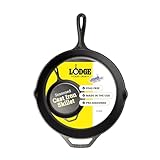
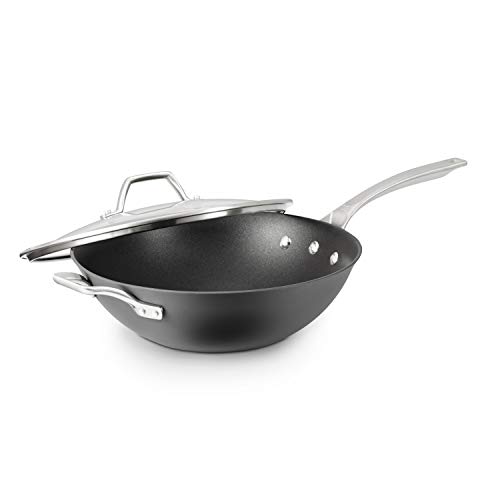
- A large skillet or wok. Cast iron or carbon steel works best.
- A neutral, high-heat cooking oil (like avocado or canola oil).
- Tongs.
Step-by-Step Directions
- Preheat your skillet over medium-high heat. Add a tablespoon or two of oil. The oil should shimmer before you add the chicken.
- Carefully place the cornstarch-dusted chicken in the pan in a single layer. Do NOT overcrowd the pan; cook in batches if necessary.
- Sear the chicken for 3-4 minutes per side, without moving it too much. You’re looking for a deep golden-brown crust.
- Once cooked through (internal temperature of 165°F), remove the chicken from the skillet and set aside.
Lesson Learned: Overcrowding the pan is the #1 mistake. It drops the temperature, causing the chicken to steam instead of sear. This means no crispy crust! Giving each piece space is essential for developing the deep, savory flavor from the Maillard reaction.
5. Simmer the Sauce Gently to Create a Thick, Glossy Glaze

Pin this tip for preventing burnt Gochujang sauce!
Now we transform the sauce from a thin liquid into a Thick, Glossy glaze. This step requires attention, as the high sugar content can cause it to burn. The key is to simmer gently to concentrate the flavors and achieve that perfect syrupy consistency.
Supplies Needed
- The same skillet used for the chicken (or a clean one).
- A silicone spatula.
Quick Steps
- Reduce the pan heat to medium-low. If there are burnt bits from the chicken, wipe the pan clean first.
- Pour the prepared Gochujang sauce into the pan.
- Let the sauce come to a gentle simmer. Do not boil it aggressively.
- Stir constantly as the sauce thickens and becomes glossy, about 1-2 minutes. This brief cooking time melds the flavors and activates the starches.
Pro-Tip: The #1 rule for Gochujang sauce is low heat. Because of the sugar in both the honey and the chili paste itself, it can go from delicious to burnt and bitter in seconds. A gentle simmer is all you need to thicken and reduce the sauce into a perfect, bubbly glaze.

6. Toss Everything Together to Coat Evenly

The final, most satisfying step! Save this for your dinner inspiration.
This is the final, quick step where everything comes together. You’ll toss the crispy chicken in the glossy glaze, ensuring every single piece gets fully coated. The goal is to create that perfect Sticky Gochujang Chicken texture.
Tools Required
- The skillet with the simmering sauce.
- The cooked chicken pieces.
Instructions
- Return the cooked, crispy chicken pieces to the skillet with the simmering glaze.
- Working quickly, toss the chicken continuously until every piece is thoroughly coated in the sticky, glossy sauce. This should only take about 30-60 seconds.
- Remove from the heat immediately to prevent the sauce from over-reducing and the chicken from getting soggy.
Pro-Tip: The key here is speed. Have your cooked chicken ready to go right next to the stove. The goal is to get every piece beautifully coated while the chicken is still hot and the sauce is at its peak glossiness.
7. Garnish for a Final Pop of Flavor and Texture

The perfect finish! Pin this for your ‘What to Serve With’ ideas.
The final touches make all the difference, adding freshness and texture. A simple Garnish of Green Onion + Garnish and toasted sesame seeds provides a pop of color and flavor that complements the rich sauce. This step also answers the common question, What to serve with spicy Korean chicken?
What You Need
- Thinly sliced green onions (scallions).
- Toasted sesame seeds.
Serving Suggestions
- Transfer the hot Spicy Gochujang Chicken to a serving platter or individual bowls.
- Generously garnish with sliced green onions for a fresh, sharp bite that cuts through the richness.
- Sprinkle with toasted sesame seeds for a nutty flavor and a bit of crunch.
- Serve immediately with a side of fluffy steamed rice and your favorite kimchi.
Pro-Tip: For the best flavor, toast your own sesame seeds. Simply heat them in a dry skillet over low heat for 2-3 minutes, tossing frequently, until they are fragrant and lightly golden. The flavor difference is immense!

Key Takeaways: Your Quick Guide to Gochujang Chicken
For those ready to start cooking, here is a scannable summary of the most critical insights to guarantee success with this recipe. These are the main takeaways that separate a good dish from a great one.
- The Sauce is All About Balance: The perfect sweet and spicy sauce comes from balancing the fermented heat of Gochujang with the sweetness of honey and the acidity of rice vinegar. Taste and adjust.
- Chicken Thighs are Best for Juiciness: For the most tender and forgiving result, use boneless, skinless chicken thighs. Their higher fat content prevents them from drying out during the high-heat searing.
- Cornstarch is the Secret to a Crispy Crust: A light dusting of cornstarch on dry chicken is the key to achieving a crispy coating without deep-frying. It creates a perfect surface for the glaze to cling to.
- Control Your Heat to Prevent Burning: Gochujang sauce is high in sugar and can burn easily. Sear the chicken on high heat, but always simmer the sauce on low heat to prevent it from becoming bitter.
- Glaze Quickly at the Very End: Add the cooked chicken back to the thickened glaze and toss quickly for just 30-60 seconds. This ensures every piece is coated while the chicken stays crispy.
People Also Ask About Spicy Gochujang Chicken Recipe
Here are answers to some of the most common questions about making this Spicy Gochujang Chicken Recipe. This will help clarify any lingering uncertainties about ingredients, spice levels, and cooking methods.
Is Gochujang chicken very spicy?
The spice level is moderately hot but adjustable. Gochujang itself has a deep, fermented heat that’s more flavorful than just fiery. In this recipe, the honey and soy sauce significantly balance the spiciness, creating a sweet and spicy profile rather than overwhelming heat. To make it less spicy, you can reduce the amount of Gochujang by a tablespoon or add an extra teaspoon of honey.
What is a good substitute for Gochujang?
There is no perfect substitute, but you can get close in a pinch. For a similar flavor profile, the best option is to mix 1 tablespoon of red pepper flake paste (or Sriracha) with 1 teaspoon of soy sauce and 1/2 teaspoon of sugar or miso paste. This mimics the heat, savory, and sweet elements, though it will lack the unique fermented depth of true Gochujang paste.
Can I use chicken breast instead of thighs?
Yes, you can absolutely use chicken breast. However, since chicken breast is much leaner, it’s more prone to drying out. To combat this, be very careful not to overcook it. Sear it for slightly less time (2-3 minutes per side) and ensure your bite-sized pieces are uniform so they cook evenly.
How do you thicken Gochujang sauce?
The sauce thickens naturally when simmered, but a cornstarch slurry is a foolproof method. The sugars in the honey and Gochujang will help it reduce and thicken when you simmer it gently. If your sauce is still too thin, you can add a slurry made from 1 teaspoon of cornstarch mixed with 2 teaspoons of cold water. Whisk it into the simmering sauce and cook for 30 seconds until it becomes a thick glaze.
What to serve with spicy Korean chicken?
Fluffy steamed rice is the classic and perfect pairing. The neutral rice balances the bold, sweet and spicy flavors of the chicken. Other great options include a side of tangy kimchi to cut the richness, steamed or stir-fried vegetables like broccoli or bok choy, or a simple cucumber salad.
How to store and reheat leftovers?
Store leftovers in an airtight container in the refrigerator for up to 3 days. The chicken will lose its crispiness upon refrigeration. For the best result when reheating, use an air fryer at 375°F for 3-5 minutes or pan-fry in a lightly oiled skillet over medium heat until warmed through. Microwaving works but will result in a softer texture.
Can I bake this Gochujang chicken?
Yes, this recipe can be adapted for baking. Toss the raw, cornstarch-dusted chicken with about half of the sauce. Arrange it on a lined baking sheet and bake at 400°F (200°C) for 15-20 minutes, or until cooked through. In the last 2 minutes, you can brush the remaining sauce over the chicken and broil for a caramelized finish, watching closely to prevent burning.
What is the best brand of Gochujang?
Look for brands that list rice and fermented soybeans high on the ingredient list. Brands like CJ Haechandle or Chung Jung One are widely available and considered high quality and authentic. The “hot pepper paste” should have a deep red color, not a bright, artificial one. Some brands have different spice levels, so check the packaging.
Is Gochujang hotter than Sriracha?
Generally, Sriracha is hotter and more vinegary, while Gochujang has a deeper, more complex, and less sharp heat. Gochujang’s flavor profile includes savory, sweet, and umami-rich notes from its fermented soy base, which Sriracha lacks. On the Scoville scale, their heat levels can overlap depending on the brand, but their flavor profiles are distinctly different.
How do I make the chicken extra crispy?
For an extra crispy texture closer to authentic Korean fried chicken, you can double-fry it. First, pan-fry or air fry the cornstarch-coated chicken pieces until they are cooked through and lightly golden. Let them cool for 10 minutes, then fry them a second time at a slightly higher temperature for 2-3 minutes until deep golden brown and very crispy. Then, toss with the sauce.
Final Thoughts on This Flavor-Packed Gochujang Chicken
You are now fully equipped to create a truly delicious Spicy Gochujang Chicken Recipe that is the perfect solution for any weeknight dinner idea. By understanding the key techniques—balancing the sweet and spicy sauce, using cornstarch for a crispy crust, and controlling your heat to prevent burning—you can confidently produce a healthy, authentic meal in under 30 minutes. This recipe empowers you to bring the bold flavors of Korean BBQ into your own kitchen with ease.
What’s your favorite way to enjoy Gochujang-based dishes? Let us know in the comments
Last update on 2026-07-26 at 22:04 / Affiliate links / Images from Amazon Product Advertising API
