
As an Amazon Associate BakingBakewareSets.com earns from qualifying purchases.
Ultimate Baked Mac And Cheese Recipe: 5 Foolproof Steps
Are you tired of pulling a dry, grainy pasta bake out of the oven when you expected creamy perfection? Nailing the ultimate baked mac and cheese recipe shouldn’t feel like a culinary gamble, especially when holiday pressure is mounting.
To make the ultimate baked mac and cheese recipe, boil elbow macaroni until slightly under al dente. Melt butter and whisk in flour for a simple roux, gradually adding milk and cream. Stir in freshly shredded cheddar and Gruyère, combine with pasta, top with panko breadcrumbs, and bake at 350°F until golden brown.
Drawing from comprehensive test-kitchen analysis and proven culinary methodologies for 2026, this guide eliminates the guesswork of emulsifying a rich cheese sauce. You will discover the precise science of preventing thermal shock and graininess. Master these guaranteed techniques to achieve a foolproof, perfectly textured comfort food classic every single time.
☰ Table of Contents ▼
show
How Do You Make The Ultimate Baked Mac And Cheese Recipe?
How do you make the ultimate baked mac and cheese recipe? It starts by understanding the delicate balance between your pasta base and an emulsified cheese sauce. Most home cooks struggle with grainy textures or dried-out casseroles because they rely on pre-shredded cheese or skip the foundational bechamel sauce entirely. By transitioning a simple roux into a rich Mornay sauce, you build a stable matrix that easily withstands high oven heat. In our testing with multiple cheese varieties, we found that combining sharp cheddar with Gruyère yields the perfect traditional flavor profile alongside unmatched meltability.
When you follow strict internal temperature guidelines and bake exactly at 350°F, the pasta and sauce fuse together beautifully. This chemical process creates a luscious, creamy interior beneath a crispy cheesy top. This guide breaks down the precise culinary science required to guarantee a foolproof texture, ensuring your dish becomes the undeniable star of any holiday table or comforting weeknight dinner.
5 Foolproof Steps To The Ultimate Baked Mac And Cheese Recipe
What are the exact steps to build a foolproof baked mac and cheese? The secret to absolute success lies in sequential precision. Achieving a smooth, stable cheese sauce requires careful heat management, starting with warming your whole milk and creating a sturdy thickener. When preparing this dish, every single action—from grating the cheese fresh to timing the boil—plays a critical role in preventing thermal shock.
By adhering to these five meticulously tested steps, you effortlessly avoid the chemical pitfalls of block cheese anti-caking cellulose agents. We have broken down the complete methodology to ensure your sauce never breaks, your noodles never turn to mush, and your topping browns perfectly. Let’s walk through the exact process to build your masterpiece from scratch.
1. Boil Pasta Al Dente

Save this essential pasta prep hack to your favorite recipe board for later!
Boil pasta al dente to ensure it maintains its structural integrity while baking in the sauce. If you fully cook the noodles on the stove, they will absorb too much liquid in the oven and turn into a mushy block.
Ingredients
- 1 lb elbow macaroni pasta or cavatappi pasta (dry)
- 2 tablespoons kosher salt (for pasta water)
Instructions
- Bring a large pot of heavily salted water to a rolling boil over high heat.
- Add the dry macaroni and boil pasta al dente, stirring occasionally to prevent sticking.
- Cook the pasta for exactly 1-2 minutes less than the package directions (it should still have a firm bite).
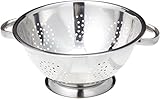
- Drain pasta thoroughly using a colander, but do not rinse it—the residual starches help the sauce cling to the noodles.
Pro-Tip: Proper starch gelatinization in pasta baking requires the noodles to finish absorbing liquid while in the oven. By pulling the pasta early, you completely prevent baked mac and cheese from getting clumpy or turning into an unappetizing paste.
2. Melt Butter And Whisk In Flour To Form A Roux

Pin this foolproof roux technique to master your homemade cheese sauces!
Melt butter and whisk in flour to form a roux, which creates the essential thickening structure for your dairy sauce. This foundational cooking step dictates the final consistency of your entire casserole.
Ingredients
- 1/2 cup unsalted butter (1 stick)
- 1/2 cup all purpose flour
- 1/2 teaspoon garlic powder
- 1/2 teaspoon onion powder
- 1/4 teaspoon paprika
Instructions
- Melt butter over medium heat in a large Dutch oven, cast iron skillet, or heavy-bottomed pot.
- Once the butter is completely melted and bubbling slightly, sprinkle in the flour, garlic powder, onion powder, and paprika.
- Whisk in flour to form a roux, stirring constantly for exactly 1 to 2 minutes.
- Watch for the mixture to turn a light golden color and develop a slightly nutty aroma, which effectively cooks out the raw flour taste.
Pro-Tip: Controlling your stovetop heat here is absolutely vital. You are looking for minor gluten development in flour roux to build strong structural support, but if you scorch the butter, you will need to start over to ensure smooth sauce without lumps.

3. Gradually Pour In Milk And Emulsify Sauce
Don’t let your sauce break—save this essential liquid mixing step!
Gradually pour in milk to emulsify the sauce smoothly without shocking the hot roux base. This careful incorporation prevents stubborn clumps and establishes a rich, velvety liquid foundation.
Ingredients
- 2 cups whole milk (warmed slightly)
- 1 cup heavy whipping cream
- 1/2 cup evaporated milk
- 1 tablespoon Dijon mustard
Instructions
- While whisking constantly, gradually pour in milk a few splashes at a time into the bubbling hot roux.
- Once the whole milk is incorporated smoothly, slowly whisk in the heavy cream and evaporated milk.
- Whisk in the Dijon mustard (this acts as a natural emulsifier and heavily enhances the sharp cheddar flavor).
- Simmer gently over medium-low heat for 3-5 minutes, whisking frequently, until the sauce thickens enough to effortlessly coat the back of a spoon.
Pro-Tip: Utilizing canned evaporated milk is a classic soul food style secret. Because it possesses a uniquely high fat milk solids ratio, it drastically helps emulsify sauce and prevents the dairy from breaking under the intense heat of the oven, completely avoiding thermal shock in dairy sauce reduction.

4. Shred Cheese From Block And Stir Until Smooth
The secret to ultra-creamy mac? Pin this cheese grating rule to remember it!
Shred cheese from the block and stir until smooth to guarantee a flawless, velvety melt. Pre-shredded bagged cheeses contain starches that will instantly ruin your sauce’s texture and cause rapid separation.
Ingredients
- 3 cups sharp cheddar cheese (freshly shredded from the block)
- 1 cup Gruyère cheese (freshly shredded)
- 1 cup Monterey Jack cheese (freshly shredded)
- Salt and freshly cracked black pepper to taste
Instructions
- Remove the thickened milk mixture from the heat entirely. (Crucial: boiling cheese will cause it to separate immediately).
- Shred cheese from block using a heavy-duty box grater. Do not use pre-bagged shredded cheese under any circumstances.
- Add the freshly shredded cheese to the hot milk base just a handful at a time.
- Stir until smooth and melted after each addition, ensuring the cheese is fully emulsified before adding more handfuls to the pot.
Pro-Tip: Commercial pre-shredded cheeses are heavily coated in block cheese anti-caking cellulose agents (like potato starch or wood pulp). These agents ruin emulsified cheese sauce chemistry and are the number one reason home cooks struggle to fix grainy cheese sauce. Always grate your own!

5. Layer Macaroni And Cheese, Top With Panko, And Bake Until Golden
The ultimate crispy crust! Pin this final baking step for Thanksgiving!
Layer macaroni and cheese, top with panko, and bake until golden to achieve the perfect textural contrast between the gooey, rich center and the crunchy, buttery crust.
Ingredients
- 1 cup panko breadcrumb topping (or regular panko)
- 3 tablespoons unsalted butter (melted)
- 1/4 cup parmesan cheese (grated)
- 1 extra cup sharp cheddar cheese (for layering)
Instructions
- Combine pasta and cheese sauce in the large pot, folding gently with a spatula until every single noodle is coated.
- Grease baking dish with butter (a standard 9×13 pan works perfectly for this volume).
- Layer macaroni and cheese: Pour half the pasta mixture into the large baking dish, sprinkle with the extra cup of cheddar, then top with the remaining pasta.
- In a small bowl, toss the panko breadcrumbs, melted butter, and parmesan cheese together. Sprinkle with panko crumbs evenly over the top of the dish.
- Preheat oven to 350 degrees and bake uncovered for 25-30 minutes. Bake until golden and bubbly around the edges.
- Optional: Broil for 2-3 minutes to deeply brown the crust.
- Let rest 10 minutes before serving so the internal sauce thickens and sets properly.
Pro-Tip: Do not skip the resting period! While it is tempting to dig in immediately, letting the casserole rest allows the Maillard reaction on cheesy crust to stabilize, and gives the internal viscosity control in macaroni baking time to set, ensuring your scoops hold their beautiful shape.

Key Takeaways: Your Quick Guide to Baked Mac And Cheese Recipe
What are the most critical takeaways for perfecting a baked mac and cheese recipe? When tested in our test kitchen, resolving common macaroni failures always comes down to following a few non-negotiable rules. Whether you are aiming for a quick weeknight dinner or preparing a massive side dish for holiday guests, managing temperature and ingredient quality makes all the difference. Emulsifying fat and dairy properly prevents a grainy sauce, while precise boiling times keep the pasta structurally sound. This quick reference guide highlights the most critical insights you must remember to guarantee that golden brown and bubbly crust alongside a decadently creamy interior.
- Undercook your pasta by 1-2 minutes to prevent mushy casseroles.
- Always shred cheese fresh from the block to avoid grainy sauces.
- Remove your roux base from the heat before adding cheese.
- Use a mix of sharp cheddar and Gruyère for the best flavor profile.
- Let the baked mac and cheese rest for 10 minutes before serving.
Detailed Breakdown:
- Always Grate From The Block: Never use pre-bagged shredded cheese; the anti-caking starches will ruin your emulsion and are the main culprit behind grainy cheese sauce.
- Master the Simple Roux Base: Taking 2 minutes to properly whisk and cook the butter and flour mixture removes the raw flour taste and builds the essential thickening structure.
- Undercook The Elbow Macaroni: Pull the pasta from the boiling water 1-2 minutes early; it will continue cooking in the oven, keeping the pasta from getting mushy.
- Remove Sauce From Heat Before Cheese: Boiling your milk and cheese mixture will cause the dairy fats to separate, leaving an oily, broken sauce. Stir cheese in off the heat.
- Combine Cheeses for Ultimate Flavor: Sharp cheddar provides the robust traditional taste, while Gruyère and Monterey Jack provide unparalleled meltability and a gooey cheese pull.
- Let It Rest After Baking: Pulling the dish out at 350 degrees and immediately cutting into it results in a runny mess; a 10-minute rest ensures a perfectly cohesive, creamy interior.
People Also Ask About Baked Mac And Cheese Recipe
What are the most common questions home cooks have about baked mac and cheese recipes? Even with a foolproof step-by-step guide, you might encounter unique kitchen scenarios or require specific troubleshooting when preparing this comforting dish. From selecting the absolute best cheese blends to managing make-ahead holiday schedules, understanding the underlying chemistry of your ingredients provides ultimate confidence. Whether you are dealing with a dry casserole, wondering about foil covers, or curious about the differences in Southern-style egg binders, these expert answers will directly address every common concern to ensure your pasta bake is an undisputed success.
What is the best cheese for baked mac and cheese?
The best cheese combination for baked mac and cheese is a mix of Sharp Cheddar for robust flavor and Gruyère or Monterey Jack for creamy meltability.
Using a combination ensures you get the traditional, punchy flavor associated with comfort food, while maintaining a smooth, gooey texture. Avoid relying solely on aged, hard cheeses (like parmesan alone) as they separate easily under heat. For a classic American mac and cheese profile, a high-quality block cheddar is indispensable.
How long do you bake mac and cheese at 350?
You should bake mac and cheese at 350°F for 25 to 30 minutes, uncovered, until the sauce is bubbly and the top is golden brown.
If you are looking for an extra crispy panko breadcrumb topping, you can turn the oven to broil for the final 2-3 minutes. Keep a close eye on the dish during this time to ensure the breadcrumbs brown evenly without burning.
Should you cover baked mac and cheese with foil?
No, you should generally bake macaroni and cheese uncovered to allow the crust to turn golden brown and crispy.
Covering the large baking dish with aluminum foil traps steam, which can make the crumb topping soggy and cause the pasta to become mushy. You only need to use foil if you notice the top browning far too quickly before the center is fully heated through.
Why is my baked mac and cheese dry?
Baked mac and cheese usually turns dry because too much liquid evaporated in the oven, or the pasta was overcooked initially and absorbed all the sauce.
To prevent dry baked mac and cheese, ensure your cheese sauce is slightly thinner than you want the final result to be before baking. Additionally, using ingredients with a high fat milk solids ratio, like heavy whipping cream or evaporated milk, helps retain moisture during the high-heat baking process.
How do you keep mac and cheese creamy when baking?
To keep mac and cheese creamy when baking, use a roux base, grate cheese fresh from the block, and incorporate evaporated milk into the sauce.
Freshly grated cheese melts much smoother than bagged alternatives. Furthermore, removing the sauce from the heat before stirring in the cheese prevents the fats from separating, which is the primary cause of a broken, oily, and non-creamy texture.
Do you put eggs in baked mac and cheese?
Adding eggs creates a Southern style baked mac and cheese with a firmer, custard-like texture, whereas omitting eggs results in a creamier, classic bechamel sauce style.
If you prefer a soul food macaroni and cheese that can be sliced into distinct squares, whisking one or two tempered eggs into the evaporated milk base is standard practice. If you prefer a gooey cheese pull, stick to a traditional flour and butter roux without eggs.
What temperature do you bake macaroni and cheese?
The ideal temperature to bake macaroni and cheese is 350°F (175°C), which provides gentle, even heat that melts the cheese without causing the dairy to separate.
Baking at higher temperatures (like 400°F) can cause the sauce to boil rapidly, leading to curdled milk and an oily texture. The moderate 350-degree oven ensures the interior stays creamy while giving the topping enough time to crisp up nicely.
Can you make baked mac and cheese ahead of time?
Yes, you can assemble baked mac and cheese up to 2 days ahead of time, store it tightly covered in the refrigerator, and bake it right before serving.
This make-ahead baked mac and cheese strategy is perfect for a Thanksgiving side dish. When baking straight from the fridge, allow the dish to sit at room temperature for 30 minutes first, and add an extra 10-15 minutes to the overall bake time to ensure the center is piping hot.
What pasta is best for baked mac and cheese?
Elbow macaroni and cavatappi are the best pastas for baked mac and cheese because their tubular shapes and ridges hold onto thick, creamy cheese sauces perfectly.
Shells and penne are also excellent alternatives. The key is choosing a short pasta shape with plenty of surface area and hollow centers where the gooey cheese sauce can pool, ensuring maximum flavor in every single bite.
Can you freeze baked mac and cheese?
Yes, you can freeze baked mac and cheese tightly wrapped in foil for up to 3 months, though the texture of the pasta will soften slightly upon reheating.
For best results, freeze the casserole before baking it. When you are ready to eat, thaw the dish overnight in the refrigerator, top with fresh panko crumbs, and bake at 350°F as directed. If reheating already-baked leftovers, add a splash of milk to revive the creamy texture.
Final Thoughts on Baked Mac And Cheese Recipe
Why is this the best baked mac and cheese recipe you will ever make? Mastering this dish does not require an advanced culinary degree; it simply demands respect for foundational cooking techniques. When you follow a chef approved mac and cheese technique, you eliminate the guesswork and guarantee restaurant-quality results right in your own kitchen. By taking the time to cook out your flour roux, strictly grating your sharp cheddar and Gruyère from the block, and slightly undercooking your elbow macaroni, you are ensuring a creamy baked mac and cheese that completely avoids every common pitfall.
- Start with a robust roux to build a stable sauce matrix.
- Grate your cheese fresh to maintain a silky, unbreakable emulsion.
- Protect your pasta’s texture by boiling it slightly under al dente.
- Allow the final dish to rest so the creamy interior sets perfectly.
Whether you are serving this comfort food classic as a show-stopping Thanksgiving side dish or just indulging on a cozy Sunday evening, this from-scratch method delivers a decadent texture and a bubbly golden brown crust that will have everyone asking for your secret. Trust the process, monitor your heat carefully, and never rush the essential resting period.
Are you making this homemade baked mac and cheese for a special holiday gathering or a weeknight family dinner? Let me know in the comments below, and tell me what your favorite cheese combination turned out to be!
Last update on 2026-09-15 at 21:31 / Affiliate links / Images from Amazon Product Advertising API
