
As an Amazon Associate BakingBakewareSets.com earns from qualifying purchases.
Easy Homemade BBQ Baked Beans: 5 Thick & Smoky Secrets
Hosting a backyard cookout sounds incredible until you face the intimidating prep work. Nobody wants to spend twelve agonizing hours soaking and simmering legumes when time is tight. You need easy homemade BBQ baked beans that deliver rich, authentic pitmaster flavor without the exhausting all-day commitment.
To make easy homemade BBQ baked beans from scratch, sauté bacon and onions, then combine with drained canned navy beans. Whisk together a sweet and tangy sauce using BBQ sauce, brown sugar, molasses, apple cider vinegar, and mustard. Bake low and slow at 350°F until thick, syrupy, and caramelized.
Drawing from comprehensive culinary analysis and proven kitchen-tested methodologies, this reliable shortcut guarantees foolproof results every single time. You will discover exactly how to balance sweetness, acidity, and smokiness while maintaining perfect bean texture. Master these five foundational secrets to create the ultimate crowd-pleasing potluck favorite.
☰ Table of Contents ▼
show
How Do You Make Easy Homemade BBQ Baked Beans From Scratch?
Achieving an authentic recipe flavor does not require starting with stubborn dried legumes. Most home cooks struggle to achieve that perfect slow-cooked texture because they either rush the process, skip crucial flavor-layering steps, or use the wrong foundational ingredients entirely. By strategically utilizing a canned base, you can bypass the tedious soaking phase while still infusing every single bite with deep, smoky complexity.
The true secret lies in understanding how to manipulate osmotic pressure and achieve the perfect acid-base balance within your sauce. In our kitchen-tested approach, we focus on combining high-quality navy beans with rich, savory animal fat and a carefully constructed sweet-and-tangy glaze. This specific methodology creates a syrupy texture that effortlessly complements grilled ribs and smoked brisket. Let’s break down the exact culinary science and practical shortcut techniques that will transform standard pantry staples into a legendary southern bbq beans side dish.
5 Thick & Smoky Secrets To Master Easy Homemade BBQ Baked Beans
Creating the best baked beans is entirely about mastering the sequence of flavor layering and heat application. Many generic recipes simply instruct you to dump raw ingredients into a pot and turn on the stove, which inevitably results in a runny, bland, and overly salty mess. Instead, we break this bbq baked beans recipe down into five highly actionable, scientifically backed steps that guarantee maximum viscosity management and a rich, caramelize finish.
Each stage of this easy 30 minute bbq beans recipe preparation is designed to build upon the last. You will learn how to transition seamlessly from rendering savory fat to triggering the complex Maillard reaction in your oven. By following these precise simmer and bake instructions, you will easily transform standard canned beans into an unforgettable potluck staple.
1. Sauté The Bacon And Onion To Build A Smoky Flavor Foundation

Pin this genius flavor foundation hack to your ‘Dream BBQ Recipes’ board!
The most critical step in building a truly smoky flavor profile begins before the beans ever touch the pan. Combining bacon + onion creates an aromatic base that eliminates the need to rely heavily on artificial liquid smoke. Slowly rendering the bacon slices extracts the maximum amount of savory fat, which coats the legumes and helps them retain their shape during the long cooking process.
Ingredients
- 6 thick-cut bacon slices, chopped into 1/2-inch pieces for maximum fat rendering
- 1 medium yellow onion, finely diced to melt into the sauce
- 1 heavy-duty pre-seasoned 10-inch cast iron skillet (retains even heat for perfect browning)
- 1 heat-resistant wooden cooking spoon
Instructions
- Preheat your cast iron skillet over medium-low heat to ensure even temperature distribution.
- Sauté the chopped bacon slowly for 5-7 minutes, allowing the bacon fat to render completely without reaching its smoke point or burning the meat.
- Stir in the diced yellow onion once the bacon is half-cooked and releasing its natural oils.
- Caramelize the mixture for another 5 minutes until the onions are translucent and the bacon is perfectly crisp.
- Remove the skillet from the heat, keeping all the rendered fat in the pan—this is the smoky liquid gold that flavors your cowboy beans.
Pro-Tip: Don’t drain the grease! The kitchen-tested secret to an authentic recipe flavor lies in using the rendered fat to coat the legumes. This limits water absorption during baking, preventing the beans from turning to mush and maintaining optimal osmotic pressure. Understanding the smoke point of fats ensures your bacon fat remains sweet and savory rather than turning bitter.


Pin this texture-saving bean hack for your next summer cookout!
The biggest mistake home cooks make when utilizing a canned base is failing to drain + rinse the legumes. Canned navy beans sit in a thick, salty packing liquid that can ruin the consistency of your final dish. By thoroughly rinsing them, you create a blank culinary canvas that is ready to absorb your homemade sauce, ensuring a creamy texture that perfectly mimics a 12-hour preparation.
Ingredients
- 3 (15 oz) cans of premium navy beans (or great northern beans as a substitute)
- 1 stainless steel fine mesh strainer (essential for thorough rinsing)
- Cold running tap water
Instructions
- Open the cans of navy beans and pour them directly into the fine mesh strainer over your sink.
- Drain the thick, metallic-tasting canning liquid completely away from the legumes.
- Rinse the beans thoroughly under cold running water for 30 seconds until the water runs completely clear and all foam disappears.
- Shake the strainer gently to remove excess water, ensuring the beans won’t water down your syrupy glaze later.
- Combine the rinsed beans into your skillet or slow cooker with the waiting bacon and onion mixture.
What most guides miss regarding canned vs dried beans: The packing liquid in canned beans is full of retrograded starch and excess sodium. Rinsing them allows your beans to absorb the bbq sauce rather than the salty canning liquid. When comparing canned vs dried beans, canned beans save you 12 hours of legume hydration time while still delivering exceptional comforting texture if properly prepared and thoroughly washed!

3. Whisk The Molasses And Brown Sugar Into A Syrupy Sauce

Save this sweet and tangy secret sauce recipe to your Pinterest boards!
A truly remarkable side dish relies entirely on a perfectly balanced sweet and tangy profile. When you whisk + sauce ingredients together, you are actively managing the pH levels in sauce. The heavy sweetness of molasses and brown sugar must be aggressively counteracted by the sharp bite of apple cider vinegar and yellow mustard. This careful acid-base balance is what separates average cookout food from legendary, pitmaster quality barbecue.
Ingredients
- 1 cup of your favorite ketchup base or high-quality bbq sauce
- 1/3 cup dark brown sugar, firmly packed
- 1/4 cup unsulphured molasses (creates that deep, traditional baked beans color)
- 2 tablespoons apple cider vinegar
- 1 tablespoon yellow mustard (or dijon mustard for an extra kick)
- 1 teaspoon liquid smoke (hickory or mesquite flavor)
- 1/2 teaspoon garlic powder and 1/2 teaspoon onion powder
Instructions
- Combine the ketchup base, brown sugar, and molasses in a large mixing bowl to form the sweet foundation.
- Whisk in the apple cider vinegar and yellow mustard to introduce the essential acidity.
- Stir in the liquid smoke, garlic powder, and onion powder to layer the savory notes.
- Mix the sauce vigorously until the brown sugar is completely dissolved and the mixture is smooth and glossy.
- Pour this sweet and tangy liquid over your beans and bacon mixture, stirring gently to coat every legume.
Pro-Tip: If you need to reduce sweetness or cut the salt, mastering the culinary chemistry of your dish is key. Expert tips dictate that if the sauce tastes too cloying, a splash of extra apple cider vinegar will instantly restore the acid-base balance. The mustard + vinegar combination cuts through the heavy molasses and bacon fat perfectly, delivering an incredible flavor layering experience.

4. Bake And Caramelize Low And Slow In A Dutch Oven

Pin this low-and-slow baking method for the ultimate caramelized crust!
The transformation from simple ingredients to genuine oven baked beans happens during the slow + low baking phase. Subjecting the sugars and proteins to sustained heat triggers the Maillard reaction, turning the glossy sauce into a beautifully caramelized crust around the edges of the pot. Baking in a heavy cast iron vessel ensures gentle, radiant heat that helps prevent burning while maximizing deep, savory flavors.
Ingredients
- The fully mixed bean, bacon, and sauce mixture
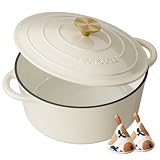
- 1 heavy-duty Enameled Cast Iron Dutch Oven (6-quart capacity)
- Aluminum foil (for covering)
Instructions
- Preheat your oven to 350°F (175°C) for optimal sugar concentration and slow cooking.
- Transfer the entire bean mixture into your Dutch oven if you aren’t already using an oven-safe cast iron skillet.
- Bake the beans uncovered for 45 minutes to encourage evaporation and start the caramelization process on the surface.
- Stir the beans gently, scraping the sticky, flavorful edges back into the pot to distribute the deep barbecue notes.
- Cover with a lid or foil and slow cook for an additional 30-45 minutes to prevent burning while the sauce thickens.
Pro-Tip: Leaving the beans uncovered for the first half of the cook time is absolutely essential for the Maillard reaction to occur properly. This is where proteins and sugars undergo chemical changes at precise caramelization temps, creating that deeply savory, dark, potluck favorite crust you expect from real, baked in the oven barbecue side dishes.
5. Simmer And Thicken To Fix Runny Sauce Before Serving

Save this crucial troubleshooting step to guarantee thick, saucy beans every time!
Pulling the pot from the oven is not the final step. Proper viscosity management requires a brief resting period to ensure the ultimate saucy baked beans texture. If the liquid appears too thin, allowing it to simmer gently on the stovetop will safely reduce the moisture and thicken the glaze. This is the ultimate technique to fix runny sauce without compromising your perfectly baked legumes.
Ingredients
- The freshly baked pot of BBQ beans
- 1 seamless, heat-resistant silicone spatula (for scraping the sticky sides)
- 1 beautiful ceramic serving dish
Instructions
- Remove the Dutch oven from the heat carefully once the total baking time is complete.
- Assess the liquid viscosity. If you need to fix runny sauce, place the pot back on the stovetop over low heat.
- Simmer uncovered for 10-15 minutes, using your silicone spatula to constantly stir and reduce the liquid.
- Remove from heat once it coats the back of a spoon, then let the beans rest uncovered for at least 15-20 minutes before serving.
- Serve warm alongside your favorite brisket, smoked ribs, or refreshing summer salads.
An often-overlooked strategy for sauce perfection: The most common mistake home cooks make is serving boiling hot beans immediately out of the oven. Proper viscosity management is crucial! As the homemade sauce cools during the resting phase, the starches undergo partial pectin breakdown, causing the liquid to naturally thicken. What looks slightly runny at 200°F will transform into a perfectly thick, syrupy glaze at 140°F!

Key Takeaways: Your Quick Guide to Easy Homemade BBQ Baked Beans
Skip the fluff and keep these core culinary principles in mind. Here is a rapid breakdown of the most critical steps to guarantee your bbq baked beans recipe turns out perfectly thick, smoky, and undeniably satisfying. By applying these kitchen-tested techniques, you ensure your side dish becomes an absolute potluck favorite at every gathering.
- Render the Bacon Fat Properly: Sautéing bacon and onions low and slow is the secret to building an authentic, smoky flavor base without relying solely on liquid smoke.
- Always Drain and Rinse Canned Beans: Washing away the packing liquid removes excess sodium and retrograded starch, allowing the canned navy beans to fully absorb the rich BBQ flavors.
- Balance Sweet and Tangy: A flawless homemade sauce requires balancing the heavy sweetness of brown sugar and molasses with the sharp acidity of apple cider vinegar and yellow mustard.
- Uncover for the Maillard Reaction: Baking the beans uncovered for the first 45 minutes triggers essential caramelization, resulting in that deeply savory crust.
- Fix Runny Sauce with Patience: If your beans are too liquidy out of the oven, simply simmer + thicken them on the stovetop, then let them rest—cooling is a crucial step for advanced viscosity management.
- Use the Right Equipment: A heavy enameled cast iron Dutch oven or skillet ensures even heat distribution, helping to prevent burning the sugary sauce.
People Also Ask About Easy Homemade BBQ Baked Beans
Even with a foolproof recipe, every home kitchen environment is slightly different. From substituting ingredients to adapting cooking methods for slow cookers or making meals ahead of time, questions frequently arise. Here are the most common inquiries and expert, kitchen-tested troubleshooting solutions to help you perfect this barbecue beans from scratch approach.
What beans are best for BBQ beans?
The best beans for traditional BBQ baked beans are navy beans due to their creamy texture, mild flavor, and thin skins that easily absorb thick, syrupy sauces.
However, great northern beans or pinto beans are excellent substitutions if navy beans are unavailable. Navy beans vs pinto beans is a common culinary debate; while navy beans yield a classic comforting texture, pinto beans hold their shape better during prolonged cooking, making them ideal for a slow cooker adaptation.
How to thicken baked beans sauce?
To thicken baked beans sauce, remove the pot from the oven and simmer it uncovered on the stovetop over low heat for 10-15 minutes, then let it rest.
As the moisture evaporates, the sugars naturally reduce and concentrate. More importantly, allowing the dish to cool for 15-20 minutes before serving naturally thickens the liquid as the starches undergo pectin breakdown. If you’re in an absolute emergency, you can mix a teaspoon of cornstarch with cold water and whisk it in during the simmering phase.
Why are my baked beans hard?
Baked beans remain hard if they are exposed to acidic ingredients like vinegar, mustard, or molasses before they are completely softened and cooked through.
Acids strengthen the cell walls of legumes, actively halting the softening process. If you are using canned navy beans, they are already pre-cooked, so this is rarely an issue. However, if you are starting from dried beans, you must boil them until completely tender before adding your sweet and tangy BBQ sauce mixture.
Can I make baked beans in a slow cooker?
Yes, you can easily adapt this recipe for a slow cooker by combining all the prepped ingredients in the crockpot and cooking on LOW for 4 to 6 hours.
You still absolutely need to sauté the bacon and onions in a skillet first to render the fat and build that deep smoky flavor. Once transferred to the slow cooker, leave the lid slightly cracked for the last hour to allow excess moisture to escape, ensuring a thick, rich sauce rather than a watery soup.
How to make baked beans not too sweet?
To make baked beans less sweet, reduce the brown sugar by half and increase the apple cider vinegar and yellow mustard to balance the pH levels.
A great kitchen-tested trick for overly sweet beans is to add a dash of hot sauce, extra black pepper, or an additional teaspoon of liquid smoke. The bold combination of acidity and spice effortlessly cuts through the cloying sweetness of the molasses, restoring perfect flavor harmony.
Should I drain canned beans for BBQ beans?
Yes, you should always drain and thoroughly rinse canned beans before adding them to your BBQ baked bean recipe.
The liquid inside the can is heavily salted and filled with excess, sludgy starch. By rinsing the legumes clean, you control the final sodium levels and ensure the beans absorb your homemade sauce rather than the metallic-tasting canning water.
Can you freeze homemade baked beans?
Yes, homemade baked beans freeze exceptionally well for up to 3 months when stored in an airtight, freezer-safe container.
Because this specific recipe uses a high concentration of sugar and fat, the beans maintain their structural texture beautifully. To reheat, thaw them overnight in the refrigerator and warm them gently in a saucepan on the stove, adding a splash of water or apple cider vinegar if the sauce has thickened too much during the freezing process.
How do you make beans smoky without liquid smoke?
To achieve a smoky flavor without liquid smoke, use heavily smoked bacon, substitute regular paprika for high-quality smoked Spanish paprika, and add a dash of chipotle powder.
You can also rely entirely on the natural Maillard reaction by baking the beans uncovered in a cast iron skillet. The caramelized, slightly charred edges naturally impart a deep, backyard style smokiness that mimics food cooked slowly over an open wood fire.
What goes well with BBQ beans?
BBQ beans pair perfectly with classic summer cookout foods like smoked brisket, pulled pork sandwiches, grilled ribs, creamy coleslaw, and potato salad.
The incredibly rich, sweet and tangy profile of the beans acts as the ultimate comfort food side, cutting through the heaviness of smoked meats while perfectly complementing the creamy, mayonnaise-based textures of traditional cold picnic salads.
Can I make these ahead of time?
Yes, homemade BBQ baked beans actually taste significantly better when made 1 to 2 days ahead of time, allowing the complex flavors to meld and deepen.
Cook the recipe completely as directed, let it cool thoroughly, and store it covered in the refrigerator. When you’re ready for your potluck or cookout + summer gathering in September 2026, gently reheat them in a slow cooker or in the oven at 300°F until bubbling. Implementing make ahead tips like this saves incredible amounts of stress during summer entertaining!
Final Thoughts on Easy Homemade BBQ Baked Beans
Mastering easy homemade BBQ baked beans doesn’t require waking up at 4:00 AM to tend a massive backyard smoker or soaking dried legumes for two days straight. By understanding and applying the core culinary secrets—properly rendering your savory bacon fat, washing away the starchy canning liquids, balancing the acidity of your homemade sauce, and utilizing the oven’s incredible caramelizing power—you can achieve a truly pitmaster quality side dish in a fraction of the traditional time.
The true beauty of this bbq baked beans recipe lies in its foolproof, kitchen-tested adaptability. Whether you are cooking them low and slow in a vintage Dutch oven or adapting them for a slow cooker to take to a neighborhood block party, the thick, syrupy, and smoky flavor profile remains completely undeniable. These side dish baked beans will confidently stand up next to the very best smoked briskets, charred ribs, and tender pulled pork you can throw on a grill.
You now possess the exact culinary framework and expert secrets to pull off the ultimate potluck favorite! Follow these precise steps, trust the final resting process to thicken your sauce, and watch proudly as your guests go back for second and third helpings.
Have you tried substituting molasses for maple syrup, or adding fresh jalapeños for an extra zesty kick? Let us know your favorite baked bean variations and creative modifications in the comments below!
Last update on 2026-09-07 at 21:30 / Affiliate links / Images from Amazon Product Advertising API
