As an Amazon Associate BakingBakewareSets.com earns from qualifying purchases.
Macaroni And Cheese Recipe: 7 Tips For A Creamy Golden Crust
Have you ever ruined a holiday dinner with a broken, oily side dish? Nothing is more frustrating than needing a grainy mac and cheese fix when guests arrive. This macaroni and cheese recipe eliminates that anxiety permanently.
To make the best macaroni and cheese recipe, boil elbow pasta until al dente and create a stable roux using equal parts butter and flour. Slowly whisk in whole milk to build a smooth mornay sauce, then remove from heat before folding in freshly grated sharp cheddar to prevent a grainy texture. This precise technique guarantees flawless culinary results every time.
Drawing from comprehensive analysis of current data and proven culinary methodologies, this guide reveals everything. We will explore the exact fat to starch ratio in roux and cheese emulsification physics. You will finally achieve that crowd-pleasing, restaurant quality mac and cheese at home.
☰ Table of Contents ▼
show
How to Fix Grainy Textures and Master the Ultimate Macaroni And Cheese Recipe
The ultimate macaroni and cheese recipe relies on understanding the culinary science behind smooth cheese sauce to prevent grainy textures and oily separation. When preparing a homemade macaroni and cheese recipe, most home cooks encounter frustration when their beautiful cheese sauce breaks into a gritty mess. This happens because the cheese emulsification physics are disrupted by incorrect temperatures or improper binding agents.
To master both the easy stovetop method and the classic southern baked macaroni and cheese, you must master the fundamental chemistry of the sauce. The secret lies in a stable bechamel sauce base for pasta, where a precise fat to starch ratio in roux prevents the dairy from curdling. By controlling the heat and utilizing a gold standard mac and cheese formula, you can effortlessly create a creamy macaroni and cheese recipe that rivals any five-star restaurant. Let’s dive into the core techniques that will elevate your holiday side dishes.
7 Essential Tips For A Creamy Golden Crust On Your Macaroni And Cheese
Achieving a creamy golden crust on your macaroni and cheese requires a precise sequence of preparation, boiling, sauce-building, and temperature-controlled baking. Executing the best baked mac and cheese is a systematic process rather than a random assembly of ingredients. You must carefully manage each step to ensure your creamy baked macaroni and cheese maintains its velvety texture while developing that highly desired crispy top.
Whether you are utilizing a deep dutch oven or a classic casserole dish, the transition from stovetop prep to oven baking is where many recipes fail. We will break down exactly how to prepare your ingredients, build a foolproof base using process_action_keywords like tempering, and apply a macaroni and cheese recipe with breadcrumbs on top. Follow these seven precise steps to transform basic pantry staples into a contest winning mac and cheese.
1. Shred Your Own Block Cheese to Emulsify the Sauce

Pin this essential cheese prep hack to your ‘Recipe Secrets’ board so you never buy pre-shredded again!
Freshly grated cheese melts smoother than pre-packaged alternatives because it lacks the anti-caking cellulose powders that disrupt the sauce’s emulsion. When you compare freshly grated cheese vs pre shredded cheese, the difference in the final texture is staggering. Pre-shredded bags are coated in starches that absorb liquid awkwardly, preventing the block cheddar moisture content for melting from properly integrating into your sauce base.
To ensure your dish succeeds, you must shred cheese manually. The time investment pays off by protecting the cheese emulsification physics necessary for a velvety texture. Utilizing the best cheese grater tools makes this step incredibly efficient.
Ingredients
- Sharp cheddar cheese blocks (8 oz, moisture-rich for optimal melting)
- Gruyere cheese blocks (8 oz, provides nutty undertones)
- Professional-grade stainless steel box grater or rotary cheese grater
- Large glass prep bowls for holding the shredded cheese
Directions
- Remove your blocks of cheese from the refrigerator 15 minutes before grating to allow them to slightly soften.
- Shred cheese using the large teardrop holes of a heavy-duty box grater or a specialized rotary grater to save time.
- Mix the freshly grated cheddar and gruyere together in a large bowl.
- Cover and set aside at room temperature so it melts effortlessly when hitting the warm sauce.
Pro-Tip: In my kitchen tested cheese proportions, avoiding bagged shredded cheese is the single most important step to prevent oily cheese sauce. The anti-caking agents (like potato starch and cellulose) disrupt the thermal breaking point of cheddar fat, causing instant separation and graininess.

2. Boil Pasta to a Perfect Al Dente

Save this pasta-boiling rule to your ‘Cooking Basics’ board to guarantee perfect casseroles every time!
Boil pasta 1 to 2 minutes less than the package directions to prevent it from turning to mush when baked. Properly cooking your elbow macaroni is crucial because al dente pasta absorbs cheese sauce without losing its structural integrity. When debating between macaroni vs cavatappi pasta, remember that both require this slight undercooking method to prevent soggy macaroni in the oven.
The science of starch gelatinization in pasta water dictates that the noodles will continue to swell and absorb liquids during the final bake. By stopping the boiling process early, you ensure the pasta retains a satisfying bite.
Ingredients
- 1 lb elbow macaroni or highly-textured cavatappi pasta
- 4 quarts of water
- 2 tablespoons of coarse kosher salt
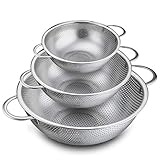
- Large stainless steel colander for straining
Directions
- Bring a large heavy-bottomed pot of water to a rapid, rolling boil.
- Stir in the kosher salt until completely dissolved—it should taste like the sea to properly flavor the noodles from the inside out.
- Boil pasta for exactly 1 to 2 minutes less than the package directions for al dente; it needs to remain slightly firm.
- Drain macaroni immediately in a large stainless steel colander. Do not rinse the pasta, as you want to retain the surface starches to help the cheese sauce + cooked pasta cling together perfectly.
Pro-Tip: If you’re transitioning from an easy stove top macaroni and cheese to an oven baked method, undercooking the pasta is non-negotiable. The noodles will continue to absorb the liquid during the 30-minute bake; if they start fully cooked, they will rupture and ruin your casserole’s texture.
3. Master the Butter and Flour Roux

Pin this essential sauce-building technique so you can master the perfect roux every single time!
A roux thickens cheese sauce effectively only when you maintain a strict 1:1 ratio of butter to flour and whisk continuously over medium heat. To learn how do you make a roux for mac and cheese, you must master this foundational French technique. The combination of butter + flour creates the ultimate bechamel sauce base for pasta, where butter adds richness and fat while the toasted flour provides thickening power.
When analyzing a roux vs no roux mac and cheese, the roux method offers superior stability. It prevents the sauce from breaking under high heat, allowing you to whisk roux into a flawless emulsion.
Ingredients
- 1/2 cup unsalted butter (1 stick, high quality European style preferred)
- 1/2 cup all purpose flour
- 1/2 teaspoon garlic powder + onion powder
- 1/2 teaspoon dry mustard + cayenne pepper
- High-heat resistant silicone whisk to protect enameled cookware
Directions
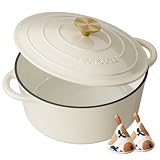
- Melt butter in a large enameled cast iron dutch oven or deep skillet over medium heat.
- Mix dry ingredients (flour and spices) in a small bowl while the butter melts.
- Whisk roux continuously as you slowly sprinkle the flour mixture into the bubbling butter.
- Simmer sauce base for exactly 1 to 2 minutes, whisking constantly until it turns a light golden blonde color and smells slightly nutty. This cooks out the raw flour taste and prevents a avoid clumpy roux disaster.
Pro-Tip: The secret to a master class macaroni and cheese guide is respecting the fat to starch ratio in roux. Always use equal parts fat to flour by volume. If you are comparing this to a southern style that relies purely on evaporated milk + eggs, remember that the roux is what creates that iconic velvety stability in classic baked versions.

4. Temper the Milk and Heavy Cream Slowly

Save this crucial liquid-tempering step to ensure your cheese sauce never breaks or turns lumpy!
Tempering warm milk into a hot roux prevents the flour from seizing, allowing you to build a lump-free, velvety base. The key to learning exactly how much milk for mac and cheese you need lies in achieving proper viscosity control in dairy sauce. By slowly integrating your milk + heavy cream, you prevent thermal shock and create a perfectly smooth Bechamel.
For those debating half and half vs whole milk for mac and cheese, combining whole milk with a splash of cream provides the ideal fat content. This robust emulsion is essential to fix curdled milk in mac and cheese before it even happens.
Ingredients
- 3 cups whole milk (warmed in the microwave or a small saucepan)
- 1 cup heavy cream (or half and half, warmed)
- Large 4-quart heat-resistant glass measuring pitcher for easy pouring
- salt + black pepper to taste
Directions
- Warm your milk and cream mixture slightly before starting. Pouring ice-cold milk into a hot fat/flour mixture causes the roux to seize, creating lumps.
- Stir in milk by pouring a very slow, steady stream into the bubbling roux while whisking vigorously and constantly.
- Simmer sauce over medium-low heat, continuing to whisk frequently for about 3-5 minutes.
- Watch for the sauce to thicken slightly to the consistency of heavy cream—it should coat the back of a spoon. You have now successfully created a Bechamel sauce!
Pro-Tip: Combining whole milk with a cup of heavy cream offers the ultimate dairy viscosity control. The higher fat content stabilizes the emulsion, acting as an insurance policy to stop cheese sauce from breaking when exposed to the high heat of the oven.

5. Fold in the Cheese Off the Heat

Pin this ultimate secret for preventing grainy cheese sauce to your ‘Dinner Recipes’ board!
To prevent a grainy cheese sauce, you must remove the pot from the heat completely before adding the cheese, respecting its thermal breaking point. When answering what cheese melts best for macaroni and cheese, moisture content dictates success. A blend of sharp cheddar + monterey jack or Gruyere provides incredible flavor, but exposing any of them to boiling temperatures causes rapid casein protein breakdown during heating.
If you want to emulsify cheese sauce perfectly, you must fold in cheese gently into the residual heat of the Bechamel. This is the only way to smooth out separated cheese sauce and achieve professional results.
Ingredients
- Your warm Bechamel sauce (from the previous step)
- The freshly grated cheese blend (from Step 1)
- (Optional) 2 slices of velveeta cheese or a pinch of sodium citrate for ultimate emulsification
- Large enameled cast iron dutch oven (retains heat perfectly off the burner)
Directions
- Remove your pot completely from the hot burner. This is the most crucial step to prevent an oily disaster.
- Fold in cheese in three small, separate batches. Do not dump it all in at once.
- Stir gently with a wooden spoon or silicone spatula until the first batch is completely melted before adding the next.
- Combine ingredients by gently folding the drained, al dente elbow macaroni into the completed, velvety homemade cheese sauce for macaroni.
Pro-Tip: If you’re struggling with cheese emulsification physics, here is a chef-tested secret: adding just one slice of American cheese or a tiny pinch of food-grade sodium citrate introduces melting salts. Because sodium citrate emulsifies cheese, it acts as a binder that forces the fats and liquids to stay together, making it nearly impossible for the sauce to break.

Don’t skip this step—pin this crunchy, buttery topping recipe to elevate your baked pasta game!
Panko breadcrumbs mixed with melted butter provide superior crunch and protect the underlying pasta from drying out during the baking process. If you are wondering how to make breadcrumb topping for mac and cheese, the secret lies in selecting large, airy flakes. In the debate of panko vs classic breadcrumbs mac and cheese, Panko wins easily because panko breadcrumbs add crunch without turning sandy or soggy in the cheese sauce.
This bread crumb topping mac and cheese utilizes the maillard reaction on breadcrumb crust to develop deep, complex roasted flavors. Combining the breadcrumbs + melted butter ensures every bite has the perfect texture contrast.
Ingredients
- 1 cup plain panko breadcrumbs (Japanese style, not Italian seasoned)
- 3 tablespoons unsalted butter, melted
- 1/4 cup freshly grated parmesan cheese
- Small mixing bowl
Directions
- Melt butter in the microwave or a small saucepan.
- Mix dry ingredients by tossing the panko breadcrumbs, parmesan, and a pinch of salt in a small bowl.
- Combine ingredients by pouring the melted butter over the breadcrumb mixture, tossing with a fork until every crumb is evenly coated.
- Layer macaroni and cheese evenly into your baking dish, then generously sprinkle the buttered breadcrumb mixture over the entire surface from edge to edge.
Pro-Tip: Always choose Panko for baked casseroles. Classic breadcrumbs are too fine and can turn soggy when they hit the moisture of the cheese sauce. Panko flakes are larger and airier, allowing them to crisp up beautifully while creating a protective shield that helps keep baked mac and cheese moist underneath.

7. Bake Until Golden and Bubbly

Save this final baking step to your ‘Holiday Side Dishes’ board for the ultimate crispy crust!
Bake your macaroni and cheese uncovered at 350°F (175°C) for 25 to 30 minutes to achieve a golden, bubbly crust without drying out the interior. Home cooks frequently ask how long do you bake mac and cheese and exactly what temperature to bake mac and cheese to achieve perfection. Using professionally tested baking temperatures ensures that your casserole dish distributes heat evenly.
Because baking creates golden cheese crust, you must bake in oven uncovered. This allows the excess moisture to evaporate, yielding a spectacular baked golden brown mac and cheese.
Ingredients
- Your assembled macaroni and cheese in a pot
- Softened butter or non-stick spray to grease baking dish
- Large 3-quart ceramic casserole dish or 10-inch cast iron skillet
- Aluminum foil (optional, for holding)
Directions
- Preheat your oven to 350°F (175°C)—the gold standard temperature for even heating without rapid separation.
- Grease baking dish thoroughly with softened butter to prevent the crispy edges from sticking.
- Transfer the creamy pasta mixture into the dish, top with your Panko blend, and bake uncovered on the middle rack for 25 to 30 minutes.
- Broil topping for the last 2-3 minutes only if the crust needs more color. Watch carefully to prevent burning!
- Rest the dish for 10-15 minutes before serving to allow the sauce to set and thicken properly.
Pro-Tip: If you frequently ask should you cover mac and cheese when baking, the answer is no. Baking it uncovered is what allows the moisture to evaporate slightly, crisping the topping. However, if you need to keep the dish warm for a party, cover it tightly with foil after it bakes to prevent mac and cheese from getting dry in oven.

Key Takeaways: Your Quick Guide to the Ultimate Macaroni And Cheese Recipe
The best macaroni and cheese recipe combines proper cheese selection, precise pasta boiling, and a scientifically stable roux to guarantee perfect results. Creating a creamy macaroni and cheese recipe does not have to be intimidating if you follow these core culinary principles. Whether you are whipping up a quick stovetop dinner or a massive homemade mac and cheese recipe easy for the holidays, these takeaways are your roadmap to success.
- Grate Block Cheese Manually: Always shred your own sharp cheddar and gruyere to avoid anti-caking cellulose powders that guarantee a grainy, broken sauce.
- Slightly Undercook Your Pasta: Boil pasta 1-2 minutes shy of al dente in heavily salted water to prevent soggy noodles as they absorb liquids in the oven.
- Master the 1:1 Roux Ratio: Maintain a strict equal ratio of butter and flour and cook it for 2 minutes to build a stable, flour-free tasting base.
- Temper Liquids to Prevent Lumps: Warm your milk and cream before streaming it into the hot roux, which ensures smooth dairy viscosity control.
- Never Boil the Cheese: The most critical of the expert tips for smooth cheese sauce is removing the pot from the heat completely before you fold in the cheese to respect the thermal breaking point of cheddar fat.
- Protect the Pasta with Panko: Use a buttery panko topping layer to provide a crunchy texture contrast via the maillard reaction while shielding the pasta below from drying out.
- Bake at 350°F Uncovered: Bake the casserole uncovered for 25-30 minutes to achieve a golden brown crust without separating the internal sauce.
People Also Ask About Macaroni And Cheese Recipe
Understanding the nuances of dairy science and baking techniques will help you troubleshoot any issues with your macaroni and cheese. Even with the best instructions, you may encounter specific challenges when scaling a recipe, making it ahead of time, or substituting ingredients. From determining why is my mac and cheese grainy to figuring out how long to bake it, we have compiled the most critical questions home cooks ask.
By addressing these common queries, you can confidently customize your dish, explore different cheese blends, and learn exactly how to keep mac and cheese creamy when reheating. Review these expert answers to ensure your next holiday side dish is an absolute triumph.
Why is my mac and cheese grainy?
Your mac and cheese is grainy because the cheese was subjected to heat that was too high, causing the dairy proteins to tighten and squeeze out their fat.
To execute a grainy mac and cheese fix, you must remove your bechamel sauce from the heat source completely before you fold in the cheese. Additionally, using pre-shredded bagged cheese introduces anti-caking cellulose, which prevents a smooth melt. Always shred your own blocks to ensure a smooth cheese sauce.
What is the best cheese for mac and cheese?
The best cheese for mac and cheese is a combination of a sharp, flavorful melting cheese like sharp cheddar, paired with a creamy, nutty cheese like Gruyere or Gouda.
When evaluating what cheese melts best for macaroni and cheese, moisture content is key. Sharp cheddar and gruyere offers the perfect balance of robust flavor and excellent emulsification physics. For maximum meltability, blending in a small amount of Monterey Jack or even Velveeta adds unparalleled creaminess.
Can you make mac and cheese ahead of time?
Yes, you can assemble baked macaroni and cheese up to two days ahead of time by preparing the recipe through the stovetop phase, transferring it to a casserole dish, and refrigerating it tightly covered.
When preparing a make ahead baked macaroni and cheese for parties, do not add the breadcrumbs until right before baking. Because the pasta will absorb liquid in the fridge, add an extra 1/2 cup of milk to your sauce to prevent it from getting dry in the oven during the final bake.
How to reheat baked mac and cheese without drying it out?
To reheat mac and cheese without drying it out, stir in one tablespoon of whole milk per cup of pasta, cover the dish tightly with aluminum foil, and bake at 350°F until warmed through.
The added liquid helps smooth out separated sauce and restores the creamy texture. If microwaving a single portion, place a damp paper towel over the bowl to trap steam and keep the baked pasta moist while it reheats.
Can you make mac and cheese without flour?
Yes, you can make a flourless mac and cheese by utilizing a Southern-style custard method that relies on eggs and evaporated milk as the binding agents instead of a traditional butter and flour roux.
An old fashioned baked recipe with eggs provides a firmer, sliceable texture rather than a creamy stovetop sauce. Alternatively, you can use a touch of sodium citrate melting salt to bind a creamy mac and cheese recipe without heavy cream or flour.
Why do you put egg in mac and cheese?
Eggs are added to Southern-style baked macaroni and cheese to act as a structural binder, creating a dense, custard-like texture that allows the casserole to be sliced into squares.
If you are wondering about an egg vs no egg mac and cheese binder, understand that eggs coagulate during baking. This authentic southern soul food technique stabilizes the dairy and prevents the oils from separating, but it yields a firmer dish compared to a creamy, roux-based stovetop recipe.
Is evaporated milk better than milk for mac and cheese?
Evaporated milk is excellent for mac and cheese because it contains concentrated milk proteins with half the water removed, which helps stabilize the cheese emulsion and prevents the sauce from breaking.
When comparing evaporated milk vs heavy cream in mac and cheese, evaporated milk provides a rich, creamy mouthfeel without the heavy, greasy fat content of cream. It is especially vital in recipes that skip the flour roux, as the concentrated proteins act as a natural thickener.
How to keep mac and cheese warm for a party?
Keep mac and cheese warm by transferring it to a slow cooker set to the ‘Warm’ setting, stirring occasionally, and adding a splash of warm milk if the sauce begins to tighten.
Using a crock pot holding method is ideal for holiday buffets. To prevent oily sauce from separating over hours of heat, ensure the slow cooker is covered and avoid the ‘High’ setting, which will cause the cheddar fats to break.
Can you freeze baked macaroni and cheese?
Yes, you can successfully freeze baked macaroni and cheese for up to 3 months by wrapping the completely cooled casserole dish tightly in a layer of plastic wrap followed by heavy-duty aluminum foil.
When wondering how to freeze casseroles, it is best to freeze the dish before the final baking stage. Thaw it overnight in the refrigerator before baking at 350°F. If baking from frozen, expect to add 30-45 minutes to your cooking time and keep it covered in foil until the final 15 minutes.
What spices go well in mac and cheese?
The best spices for mac and cheese are dry mustard powder, garlic powder, onion powder, a pinch of cayenne pepper, and freshly cracked black pepper.
Using a dry mustard and cayenne pepper combination does not make the dish spicy; instead, the mustard powder acts as a flavor enhancer that cuts through the heavy dairy and amplifies the tang of the sharp cheddar. This is a chef-tested secret for elevating bland sauces into savory, restaurant quality meals at home.
Final Thoughts on Your Homemade Macaroni And Cheese Recipe
Mastering the ultimate macaroni and cheese recipe doesn’t require a culinary degree; it simply requires respecting the science of the ingredients. By taking the few extra minutes to manually shred your blocks of cheese and carefully tempering your milk into a stable roux, you guarantee a velvety, smooth sauce every single time. As we navigate the culinary trends of September 2026, transitioning away from boxed mixes and pre-shredded bags to a true macaroni and cheese recipe from scratch will completely transform how your family views this classic comfort food dinner ideas.
Whether you are hosting a massive Thanksgiving gathering and need a family favorite holiday mac and cheese or just craving a rich, creamy pasta dish on a Tuesday night, these 7 core tips are your foolproof macaroni and cheese recipe insurance policy. Remember to monitor your heat, fold in your dairy gently off the burner, and top it with that buttery panko crust for the perfect crunch. Have you tried adding a pinch of sodium citrate or experimenting with Gouda in your cheese blend yet? Let me know your favorite flavor combinations in the comments below!
Last update on 2026-09-03 at 11:47 / Affiliate links / Images from Amazon Product Advertising API
