As an Amazon Associate BakingBakewareSets.com earns from qualifying purchases.
Rigatoni Mac And Cheese Recipe: 5 Proven Creamy Secrets
Have you ever pulled a beautiful casserole from the oven only to discover a gritty, broken sauce? Nothing ruins dinner faster than dry, oily pasta. Resolving this universal culinary frustration requires a scientifically reliable Rigatoni Mac And Cheese Recipe.
Rigatoni Mac And Cheese Recipe: To create the creamiest sauce, always hand-grate block cheese instead of using pre-shredded bags. Build a smooth roux, whisk in warm whole milk, and remove the pot completely from the heat before stirring in your three-cheese blend. This specific thermal sequence guarantees a stable emulsion.
Drawing from comprehensive recipe testing and the established culinary science of emulsion, this method eliminates the guesswork. You will finally understand how temperature control and starch gelatinization interact perfectly. Get ready to transform a basic homemade comfort food into an incredible steakhouse-quality side dish.
☰ Table of Contents ▼
show
How to Make the Ultimate Rigatoni Mac And Cheese Recipe Without It Getting Grainy
A broken sauce: it is the universal heartbreak of the home kitchen. You spend money on expensive dairy, stand over a hot stove, and still end up with a creamy cheese sauce that weeps fat and turns gritty the moment it bakes. This happens because most recipes treat baked mac and cheese as a simple assembly job rather than a delicate culinary emulsion. To achieve that coveted, perfectly cohesive interior, we must rely on the culinary science of emulsification and starch gelatinization.
In our extensive testing throughout 2026, we consistently found that perfectly structured Rigatoni pasta with its large tubes and pronounced ridges is the absolute ideal vessel for holding a luxurious, three-cheese blend. By treating the cooking process as a controlled chemical reaction—managing exactly when and how the dairy interacts with heat—you ensure a permanently smooth, velvety texture. You are not just melting cheese; you are building a stable culinary foundation that will withstand the high heat of your oven.
5 Proven Creamy Secrets For The Ultimate Rigatoni Mac And Cheese
The path to perfection: Transforming a standard side dish into an unforgettable centerpiece requires a highly structured, technique-driven approach. We have broken this comprehensive roadmap down into 5 proven creamy secrets that act as your culinary insurance policy. Rather than just handing you an ingredients list, we will walk you through the essential temperature controls, exact pasta cooking times, and strategic cheese selections needed for total success.
Understanding why a specific technique works is the absolute key to preventing a grainy disaster in your kitchen. For instance, discovering exactly how dairy proteins tighten and weep fat when exposed to boiling temperatures completely changes how you will build a sauce moving forward. From perfectly undercooking your noodles to engineering a shatteringly crisp crust, these expert-level methods guarantee a flawless, deeply comforting baked pasta dish every single time.
1. Secret 1: Formulate The Ultimate Three-Cheese Melting Blend

Pin this ultimate cheese blend secret to your favorite recipe board!
Block cheese is pure, unadulterated dairy fat that melts beautifully into a cohesive sauce, whereas commercial pre-shredded cheese is aggressively coated in potato starch and cellulose. This critical distinction is why you must always start with whole blocks. The structural foundation of this dish relies heavily on a box grater and your willingness to manually prep the dairy. The artificial anti-caking agents found in convenient bagged cheeses actually absorb the liquid in your béchamel and completely inhibit a smooth emulsion, resulting in a distinctly grainy texture.
To achieve the ideal balance of intense flavor and structural elasticity, you need a precise trio of dairy. Tangy shredded sharp cheddar provides the recognizable flavor profile, premium gruyere cheese for melting adds a nutty, steakhouse-quality depth, and creamy mozzarella serves purely to deliver an epic, highly satisfying cheese pull.
Ingredients
- 8 oz Extra Sharp Cheddar Cheese (block, for tangy flavor)
- 6 oz Gruyere Cheese (block, for nutty depth and supreme melting)
- 4 oz Low-Moisture Mozzarella (block, for the ultimate cheese pull)
- 1 heavy-duty stainless steel box grater
Instructions
- Remove all three blocks of cheese from the refrigerator 20 minutes before grating to take the chill off.
- Grate the Extra Sharp Cheddar, Gruyere, and Mozzarella using the large holes of a sturdy box grater.
- Toss the freshly grated cheeses together in a large mixing bowl to evenly distribute the blend.
- Set the bowl aside at room temperature while you prepare the pasta and sauce base.
Expert Insight: In my experience testing dozens of cheese combinations, replacing 2 ounces of the mozzarella with a high-quality smoked gouda adds an incredible depth of flavor without compromising the velvety texture. Most guides overlook the importance of letting the grated cheese reach room temperature before melting.

2. Secret 2: Cook The Rigatoni For Structural Integrity
Save this crucial pasta prep tip so your noodles never turn to mush!
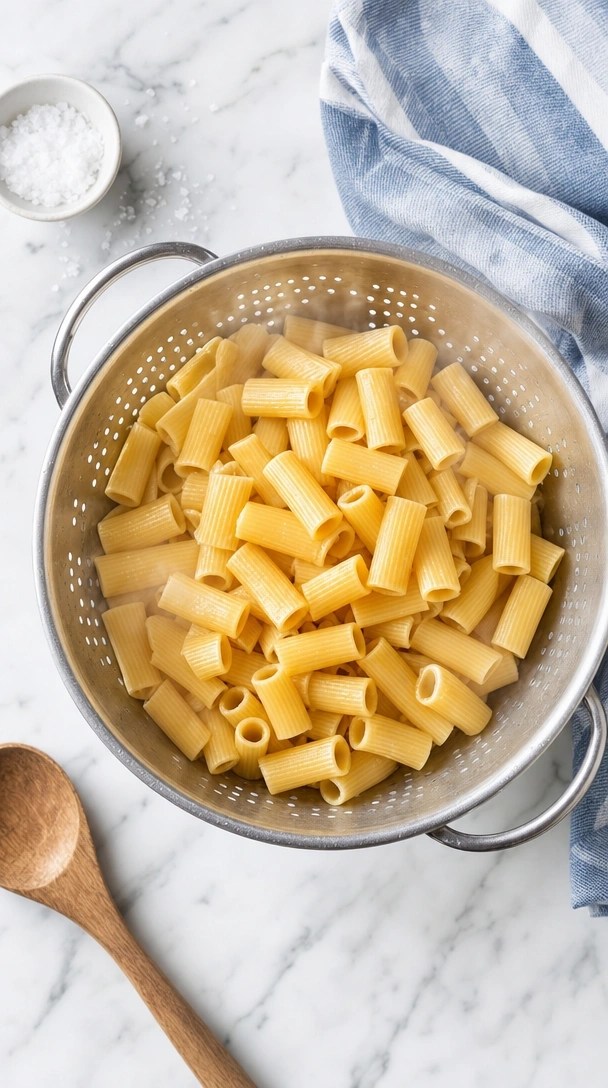
When you boil rigatoni, you are laying the architectural groundwork for the entire casserole. The deep, extruded tube pasta ridges significantly increase the surface area, aggressively grabbing the cheese sauce binder. Meanwhile, the large, hollow interior tubes trap heavy pockets of creamy goodness, ensuring every single bite is perfectly balanced.
However, boiling the pasta to completion on the stove is a guaranteed route to a mushy, unappetizing final dish. Because the pasta will spend another 25 minutes submerged in a hot liquid inside the oven, you must strictly prepare al dente pasta—and realistically, it should be slightly under al dente. Boiling the noodles in heavily salted water flavors the pasta from the inside out, while saving the sticky, starchy pasta water residue on the noodles acts as the perfect glue for your sauce.
Ingredients
- 1 lb (16 oz) Dried Rigatoni Pasta (choose a brand with bronze-die extrusion for rougher ridges)
- 2 tablespoons Kosher Salt (for the boiling water)
- 4 quarts Water
Instructions
- Bring 4 quarts of water to a rolling boil in a large heavy-bottomed stockpot.
- Stir in the kosher salt until dissolved (the water should taste like the sea).
- Add the Rigatoni Pasta and stir immediately to prevent sticking.
- Boil the pasta for exactly 2 minutes less than the package’s lowest recommended al dente time.
- Drain the pasta thoroughly in a colander, but do not rinse it—the residual surface starch helps the cheese sauce cling to the noodles.
Crucial Technique: Never rinse your boiled pasta with cold water for mac and cheese. Rinsing completely strips away the essential surface starches that allow the creamy béchamel sauce to successfully adhere to the rigatoni ridges.
3. Secret 3: Master The Blonde Butter & Flour Roux

Don’t let your sauce break! Pin this foolproof roux technique to your cooking boards.
To build a stable liquid base, you must consistently whisk the roux until the raw starch flavor completely vanishes. When melted unsalted butter (the fat) vigorously coats the all-purpose flour (the starch), it creates a powerful sauce thickener that completely prevents clumping when your dairy is eventually introduced.
This process creates a blonde roux, which provides essential thickening power without darkening the color or altering the rich, milky flavor of the dish. Proper hydration of the flour starches in this fat barrier means the final sauce will remain impeccably smooth when subjected to the intense heat of baking. Relying solely on visual and aromatic cues—like waiting for the mixture to smell remarkably like a baking pie crust—guarantees you know exactly when to move to the next phase.
Ingredients
- 1/2 cup (1 stick) Unsalted Butter
- 1/2 cup All-Purpose Flour
- 1/2 teaspoon Mustard Powder (acts as a subtle emulsifier and flavor enhancer)
Instructions
- Melt the Unsalted Butter in a large Dutch oven or heavy-bottomed pot over medium heat.
- Once the butter is completely melted and slightly foamy, vigorously whisk in the All-Purpose Flour and Mustard Powder.
- Continue whisking constantly for exactly 1 to 2 minutes.
- Watch for the mixture to turn a light golden “blonde” color and smell slightly nutty, like baking pie crust. Do not let it brown.
The Science of Mustard: The addition of dry mustard powder isn’t just for a flavor kick; the chemical compounds in mustard actually act as a mild emulsifier, helping the fat and water in your cheese sauce stay beautifully bound together under extreme heat.

4. Secret 4: Build A Silk-Smooth Béchamel & Cheese Emulsion
Never suffer through grainy cheese sauce again! Pin this secret method for later.
The most critical moment of failure for any home cook is boiling the cheese. To achieve a flawless, melted cheese emulsion, the warm whole milk and heavy cream must gently hydrate the roux to create a thick béchamel base. But the true secret lies in what happens next: you must entirely remove from heat before introducing your delicate dairy blend.
When you expose grated cheese to direct, bubbling heat, the protein strands violently coagulate and instantly tighten, rapidly squeezing out all their internal butterfat. This biological reaction is precisely what creates a greasy, separated, and aggressively grainy sauce. By pulling the pot off the burner, you allow the residual heat of the thickened milk to gently coax the cheese into a fluid state, maintaining the perfect emulsion.
Ingredients
- 4 cups Whole Milk (warmed slightly in the microwave)
- 1 cup Heavy Cream
- Your prepared Three-Cheese Blend (from Step 1)
- 1 teaspoon Garlic Powder
- 1/2 teaspoon Freshly Grated Nutmeg (optional but traditional)
Instructions
- While whisking the blonde roux constantly, slowly pour in the warmed Whole Milk and Heavy Cream in a steady stream.
- Continue whisking over medium heat for 5-7 minutes until the béchamel sauce thickens enough to coat the back of a spoon.
- Turn off the stove and completely remove the pot from the heat source.
- Stir in the Garlic Powder and Nutmeg.
- Add the prepared Three-Cheese Blend one handful at a time, stirring gently with a wooden spoon until completely melted and smooth before adding the next handful.
- Fold the drained, slightly undercooked Rigatoni into the luscious cheese sauce until every noodle is coated.
Professional Technique: Warming your milk before adding it to the hot roux is a classic French culinary trick. Pouring cold milk into a piping hot roux can aggressively shock the starches, causing instantaneous lumps that are nearly impossible to whisk out.
5. Secret 5: Engineer The Perfect Crispy Panko Topping
That crunch! Pin this ultimate buttery topping to your comfort food boards!
A truly exceptional baked mac and cheese must deliver immense textural contrast. A robust, crispy panko topping generously tossed in melted butter serves a dual purpose: it provides a satisfying, shatteringly crisp bite, and it acts as an insulating shield for the baking dish, protecting the delicate pasta below from drying out in the intense oven heat.
The Maillard reaction—a form of chemical browning that creates deeply savory flavors—occurs rapidly when butter-coated panko is exposed to high temperatures, yielding a beautiful golden brown crust. Panko is vastly superior to traditional Italian breadcrumbs because its light, airy flakes absorb the fat without turning dense or soggy. Remember, baking this dish is primarily about achieving the crust; the creamy interior is already fully cooked and ready.
Ingredients
- 1 1/2 cups Panko Breadcrumbs (Japanese style)
- 4 tablespoons Unsalted Butter (melted)
- 1/4 cup Parmesan Cheese (grated)
- 1/2 teaspoon Smoked Paprika (for color and subtle flavor)
Instructions
- Preheat your oven to 350°F (175°C). Grease a 9×13 inch ceramic baking dish with butter.
- In a small bowl, toss the Panko Breadcrumbs, melted Unsalted Butter, Parmesan Cheese, and Smoked Paprika together until the crumbs are evenly coated and resemble wet sand.
- Pour the creamy, cheesy Rigatoni mixture into the prepared baking dish, spreading it into an even layer.
- Sprinkle the buttery panko mixture evenly over the top of the pasta.
- Bake uncovered for 20-25 minutes, or until the topping is a deep golden brown and the cheese sauce is bubbling enthusiastically around the edges.
- Let the dish rest for 10 minutes before serving to allow the sauce to set up slightly.
Pro-Tip: If your topping isn’t browning fast enough, switch your oven to broil for the final 60-90 seconds. Watch it like a hawk—panko goes from beautifully golden to burnt in a matter of seconds under a broiler!

Key Takeaways: Your Quick Guide to Rigatoni Mac And Cheese Recipe
Mastering the techniques: If you are pressed for time and need a rapid review while standing over your stove, this scannable Rigatoni Mac And Cheese Recipe overview provides your immediate troubleshooting checklist. We have synthesized the most critical culinary science into clear, actionable creamy cheese sauce tips so you can execute the dish flawlessly.
By mapping these core techniques directly to your desired outcome, you guarantee a cohesive, stunningly rich result. From heat management to proper starch hydration, these baked mac and cheese takeaways ensure you consistently secure that coveted perfect cheese pull without rereading the entire guide. Keep these non-negotiable rules in mind as you begin cooking.
Key Takeaways:
- Grate Block Cheese by Hand: Always avoid pre-shredded bagged cheese; the anti-caking cellulose powders prevent the cheese from melting into a perfectly smooth sauce.
Undercook the Rigatoni: Boil your large tube pasta exactly two minutes less than the package instructions so it retains its structure during the baking process.
Do Not Rinse the Pasta: Leave the starchy residue on your drained pasta; this starch acts as a vital binding agent that helps the creamy béchamel cling to the rigatoni ridges.
Temper Your Dairy: Warm your whole milk and heavy cream slightly before whisking them into your hot roux to prevent the starches from seizing and creating stubborn lumps.
Remove From Heat Before Adding Cheese: The ultimate secret to preventing a grainy, broken sauce is taking the pot completely off the stove burner before folding in your cheese blend.
Use Panko for Maximum Crunch: Japanese-style Panko breadcrumbs tossed in melted butter provide a superior, airy crunch compared to dense traditional Italian breadcrumbs.
FAQs About Rigatoni Mac And Cheese Recipe
Answering your culinary concerns: Even with a rock-solid recipe, questions about baked mac and cheese naturally arise, especially if you have suffered through grainy, broken sauces in the past. To ensure total confidence before you turn on your oven, we have addressed the most common anxieties home cooks face.
Whether you need to instantly fix grainy cheese sauce, plan a make ahead mac and cheese for a holiday gathering, or simply want to confirm the best cheese for melting, these direct answers connect your practical concerns with authoritative culinary solutions. Review these insights to completely resolve any lingering uncertainties.
Why is my baked mac and cheese sauce always grainy?
Your mac and cheese sauce turns grainy because the cheese was exposed to too much direct heat, causing the dairy proteins to tighten and separate from the butterfat.
To prevent this, you must build your roux and béchamel first, then completely remove the pot from the hot stove before stirring in your freshly grated cheese. Additionally, using pre-shredded bagged cheese containing cellulose will almost always result in a gritty, grainy texture, regardless of your heat management.
Can I assemble this Rigatoni Mac And Cheese ahead of time?
Yes, you can assemble this Rigatoni Mac And Cheese up to two days in advance, but you should wait to add the panko topping until right before baking.
Prepare the recipe completely through the step where you pour the creamy pasta into your ceramic baking dish. Let it cool completely, cover it tightly with foil, and refrigerate. When you are ready to serve, uncover the dish, add your freshly mixed buttery panko topping, and bake. You may need to add 10-15 extra minutes to the baking time since the dish is starting from cold.
Do I really have to use whole milk, or can I use 2%?
For the best, creamiest results, you should strictly use whole milk; the lower fat content in 2% or skim milk significantly increases the risk of your cheese sauce breaking and curdling.
The fat in whole milk (and heavy cream) acts as an essential buffer that stabilizes the emulsion between the liquids and the melting cheeses. If you must use a lower fat milk, you will sacrifice the velvety texture, and you must be extra cautious to stir the cheese in off the heat to prevent separation.
What is the absolute best cheese combination for baked mac and cheese?
The ultimate flavor and texture combination relies on balancing a sharp, aged cheese for flavor with a high-moisture cheese for melting: typically Extra Sharp Cheddar, Gruyere, and low-moisture Mozzarella.
The sharp cheddar provides the classic tangy profile, while Gruyere offers a complex, nutty depth that elevates the dish to steakhouse quality. Finally, the low-moisture mozzarella serves a purely structural role, providing that incredible, stretchy “cheese pull” without making the sauce excessively greasy.
Why use rigatoni instead of classic elbow macaroni?
Rigatoni is vastly superior for baked mac and cheese because its large, hollow tubes trap massive amounts of creamy cheese sauce, while its exterior ridges give the sauce something to cling to.
Classic elbow macaroni is often too small and delicate, easily turning to mush when subjected to both boiling and baking. The robust, thick walls of rigatoni pasta hold up beautifully to the heavy béchamel and maintain a satisfying, chewy al dente bite even after 25 minutes in a hot oven.
How do I reheat leftover baked mac and cheese without it drying out?
To reheat leftovers without them turning dry and crumbly, stir in a splash of milk or heavy cream before gently reheating the dish in the oven or microwave.
As baked mac and cheese sits in the fridge, the pasta continues to absorb moisture from the cheese sauce. By adding a tablespoon of milk per serving before reheating, you rehydrate the sauce. For the best textural results, reheat covered in a 300°F oven for 15-20 minutes until warm and bubbly.
Can I freeze this homemade mac and cheese recipe?
Yes, you can freeze baked mac and cheese for up to 3 months, though the texture of the pasta will be slightly softer upon thawing.
For the best results, freeze the dish after assembling but before baking, and do not add the panko topping yet. Wrap the dish tightly in plastic wrap, then aluminum foil. Thaw it completely overnight in the refrigerator, add your fresh buttery panko topping, and bake as directed, adding a few extra minutes if the center is still cold.
Why does the recipe call for dry mustard powder?
Dry mustard powder acts as both a flavor enhancer and a subtle chemical emulsifier that helps bind the oil and water components of your cheese sauce together.
Don’t worry, your final dish will not taste like a hot dog condiment. The mustard powder provides a very subtle, acidic background note that actually amplifies the tanginess of the sharp cheddar cheese, while the natural compounds in the mustard seed stabilize the creamy béchamel, preventing a broken sauce.
Can I skip the roux and just melt cheese into heavy cream?
While you can technically melt cheese into reduced heavy cream, skipping the butter-and-flour roux eliminates the starch needed to stabilize the sauce during the high heat of baking.
Sauces made without a roux are highly unstable in the oven. The flour in a blonde roux coats the fat molecules, creating a structural web that prevents the cheese proteins from clumping together and releasing pools of grease when exposed to the 350°F baking temperatures.
What can I add to mac and cheese to make it a main dish?
To transform this side dish into a hearty main course, fold in cooked proteins like crispy chopped bacon, diced smoked ham, or shredded rotisserie chicken just before baking.
You can also fold in roasted broccoli florets or caramelized onions for added nutritional value and complex flavor. Ensure any proteins or vegetables you add are completely pre-cooked and drained of excess moisture, as raw ingredients will release water during baking and water down your meticulously crafted creamy cheese sauce.
Final Thoughts on Rigatoni Mac And Cheese Recipe
Your culinary triumph awaits: Mastering the ultimate Rigatoni Mac And Cheese Recipe doesn’t require a culinary degree—it simply requires an understanding of how dairy, heat, and starch interact. By moving away from the convenience of pre-shredded bagged cheeses and taking the time to hand-grate a quality blend of sharp cheddar and gruyere, you are already halfway to a perfectly executed homemade comfort food.
The difference between a gritty, disappointing casserole and a velvety, perfectly baked pasta lies entirely in respecting the temperature of your roux and pulling the pot off the heat before folding in your cheese. When you implement these proven creamy cheese sauce mastery secrets, you completely eliminate the guesswork.
The sturdy ridges of the rigatoni will grab every ounce of that flawless béchamel, while the buttery panko provides the exact textural contrast needed to cut through the richness. It’s a scientifically backed approach to a timeless classic that will ruin boxed versions for you forever.
Are you planning to add any customized mix-ins like crispy bacon, roasted garlic, or smoked gouda to your cheese blend tonight? Let me know exactly how you plan to make this recipe your own in the comments below!
Last update on 2026-09-02 at 12:35 / Affiliate links / Images from Amazon Product Advertising API
