
As an Amazon Associate BakingBakewareSets.com earns from qualifying purchases.
Award-Winning Southern Baked Mac And Cheese: 5 Secrets
Are you tired of dry, grainy pasta ruining your festive holiday dinners? You are definitely not alone in this frustrating culinary struggle. Discovering the secret to Award-Winning Southern Baked Mac And Cheese changes everything.
The secret to an Award-Winning Southern Baked Mac And Cheese is using a rich custard base made of evaporated milk and eggs instead of a flour roux. This authentic technique guarantees a ridiculously creamy interior and a crispy top.
Drawing from comprehensive analysis of traditional culinary science and proven family methodologies, this custard method prevents curdling. You will discover five foolproof secrets to flawless holiday side dish execution. Prepare to master the ultimate soul food macaroni technique today.
☰ Table of Contents ▼
show
What Makes The Ultimate Award-Winning Southern Baked Mac And Cheese?
The ultimate Southern baked macaroni and cheese relies entirely on the authentic custard method rather than a traditional French bechamel sauce. Most generic recipes start with a flour-based roux on the stovetop. While that works for quick weeknight meals, it often turns grainy and dry when baked in a hot oven. The classic Southern recipe uses evaporated milk and large eggs to create a luscious, protein-rich liquid.
When baked, these proteins gently coagulate. This culinary science creates a thick, creamy custard base that binds your elbow macaroni and cheese blend together flawlessly. Unlike flour sauces that can break and pool grease, this authentic homemade macaroni and cheese technique stabilizes the dairy. Serving this historic soul food baked macaroni and cheese guarantees a perfectly moist interior and that coveted golden brown crust.
Award-Winning Southern Baked Mac And Cheese: 5 Secrets
The true secret to perfect southern baked macaroni and cheese lies in precise execution of these five core techniques. Making the best soul food baked mac and cheese recipe requires more than just mixing ingredients in a bowl. You must treat this dish with respect, layering it carefully to maximize those incredible cheese pulls. As of 2026, this historic method remains the absolute gold standard for family gatherings.
- Whisk a rich custard base using evaporated milk and eggs.
- Shred your own cheese to avoid grainy textures.
- Season the pasta water aggressively for baseline flavor.
- Layer the cheese and pasta instead of mixing it all at once.
- Bake uncovered at the end for a perfectly golden crust.
Let us break down each of these mandatory steps in detail. These techniques ensure your holiday dinner party contribution becomes the absolute star of the table.
1. Master the Southern Custard Base (No Flour Required)

Save this authentic custard technique to your Thanksgiving Recipes board so you never have to make a clumpy flour roux again!
The foundation of this no roux mac and cheese is a well-whisked custard filling made with egg and evaporated milk. You must ditch the flour completely. Using evaporated milk provides concentrated creaminess without the excess water found in regular milk. The heavy whipping cream adds luxurious milk fat. Tempering eggs slightly by mixing them into room-temperature dairy prevents them from scrambling when they meet the warm pasta later.
Ingredients
- 12 oz can evaporated milk (do not substitute with condensed milk)
- 2 large eggs (room temperature for better binding)
- 1.5 cups heavy whipping cream or half-and-half
- 1 tsp dry mustard powder (crucial for enhancing cheese flavor)
- 1 tsp smoked paprika
- Pyrex or heavy-duty glass mixing bowl
Instructions
- Crack the room-temperature eggs into your large glass mixing bowl.
- Whisk the eggs vigorously until they are completely smooth and slightly frothy.
- Pour in the evaporated milk and heavy cream slowly while continuing to whisk to ensure a homogenized mixture.
- Blend in the dry mustard powder, smoked paprika, and a pinch of black pepper until fully dissolved.
- Set the custard mixture aside to rest while you prepare your pasta and cheese.
Pro-Tip: In my years of recipe testing, I’ve found that adding dry mustard powder to your liquid custard base acts as an emulsifier and dramatically amplifies the tanginess of the sharp cheddar without making the dish taste like mustard.

2. Shred Your Own 3-Cheese Blend

Pin this cheese-shredding secret to your Holiday Side Dishes board to ensure perfectly melted mac and cheese every time.
For ultimate meltability, you must use freshly grated sharp cheddar cheese directly from a block. Never use pre-shredded cheese from a plastic bag. Those convenient bags contain anti-caking agents like cellulose and potato starch. These starches prevent the cheese from clumping in the bag, but they also prevent proper emulsion in your oven. A high-quality block cheese blend of sharp cheddar, gruyere, and colby jack delivers the perfect balance of deep flavor and beautiful stretch.
Ingredients
- 16 oz Sharp or Extra Sharp Cheddar cheese block (high-quality)
- 8 oz Gruyere cheese block (adds a sophisticated, nutty melt)
- 8 oz Colby Jack or Mozzarella block (for incredible cheese pulls)
- Heavy-duty rotary cheese grater or box grater
Instructions
- Unwrap your blocks of cheese while they are still cold right out of the refrigerator (cold cheese is much easier to grate).
- Shred the sharp cheddar, gruyere, and colby jack separately using a rotary or box grater.
- Combine all the freshly shredded cheeses in a massive bowl and toss them gently with your hands to create an even blend.
- Divide the cheese blend, reserving a generous 1.5 cups specifically for the crispy top crust.
- Cover the cheese lightly with a towel until ready to layer.
Pro-Tip: Never use pre-shredded bagged cheese for Southern baked mac and cheese. Bagged cheese is coated in anti-caking agents like cellulose that prevent the cheese from melting smoothly, resulting in a grainy, separated sauce and a puddle of grease.

3. Season The Pasta Water and Cook Al Dente

Save this essential pasta prep tip to your Cooking Hacks board—nobody likes mushy macaroni!
You must boil your elbow macaroni noodles in heavily salted water and cook them strictly to al dente. Baked mac and cheese is essentially cooked twice. First, you boil it on the stove, and then it bakes in a hot oven. If you fully cook the pasta during the boiling stage, it will turn into absolute mush while baking. Toss the hot, drained noodles in unsalted butter and seasoned salt immediately to lock in the pasta starch and flavor.
Ingredients
- 16 oz (1 lb) elbow macaroni or cavatappi pasta
- 2 tablespoons Kosher salt (for boiling water)
- 4 tablespoons (half stick) unsalted butter, softened
- 1 tsp seasoned salt (like Lawry’s)
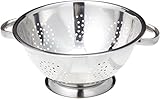
- Large stainless steel colander
Instructions
- Bring a large pot of water to a rolling boil and aggressively season it with kosher salt (it should taste like the sea).
- Boil the elbow macaroni for 1-2 minutes LESS than the package instructions indicate for “al dente” (it should still have a firm bite).
- Drain the pasta completely in a colander, shaking off excess water, but DO NOT rinse it; rinsing washes away the starches needed to bind the cheese.
- Transfer the hot, drained pasta back into the warm pot.
- Toss the hot pasta immediately with the softened butter and seasoned salt until the noodles are fully coated and glossy.
Pro-Tip: Tossing the hot noodles in butter creates a protective fat barrier. This prevents the pasta from soaking up too much of the liquid custard too quickly, which is the number one reason baked mac and cheese dries out in the oven.
4. The Strategic Layering Technique

Pin this authentic layering method to your Soul Food Recipes board for the ultimate cheese pulls!
Layering cheese and pasta creates deep pockets of melted goodness throughout the entire 9×13 baking dish. A true soul food technique demands that you build this casserole like a lasagna. Never just stir all the cheese, pasta, and liquid together in one big bowl. Even distribution of the dry pasta and the cheese blend creates structural integrity, preventing the heavy liquid custard from pooling exclusively at the bottom of the pan.
Ingredients
- The buttered, seasoned pasta (from step 3)
- The shredded 3-cheese blend (from step 2)
- The liquid custard base (from step 1)
- Cooking spray or extra butter for greasing
- Deep 9×13 ceramic baking dish (at least 2.5 inches deep)
Instructions
- Grease your 9×13 ceramic baking dish generously with butter or non-stick spray.
- Spread exactly half of your buttered pasta into an even layer across the bottom of the dish.
- Sprinkle half of your main cheese blend heavily over the first layer of pasta, ensuring you reach all the way to the edges.
- Add the remaining half of the pasta on top of the cheese layer.
- Pour the liquid custard mixture slowly and evenly over the entire dish, allowing it to seep down into all the crevices. Do not stir!
Pro-Tip: Pouring the custard after the initial layering allows the liquid to slowly percolate through the pasta and cheese strata, creating a creamy suspension that binds the casserole perfectly while maintaining distinct gooey cheese pockets.

5. Achieve The Perfect Golden Brown Crust

Don’t forget to pin this crucial baking and resting step to your Comfort Food board so you achieve that perfect golden crust!
You must bake until bubbly and allow for proper resting time to achieve a perfectly golden crust with crispy edges. Many home cooks ruin their hard work by slicing into the casserole too early. Thermal carryover cooking means the dish continues to set even after leaving the oven. Skipping the resting period causes the creamy sauce to break and run. Avoid using an aluminum foil cover unless the top browns too quickly.
Ingredients
- The assembled casserole (from step 4)
- The reserved 1.5 cups of shredded cheese (from step 2)
- Smoked paprika (for dusting)
- Heavy-duty aluminum foil
- Heat-resistant oven mitts
Instructions
- Top the assembled casserole with the reserved 1.5 cups of shredded cheese, covering every inch of the pasta completely. Dust lightly with smoked paprika for color.
- Bake the dish uncovered in a preheated 350°F (175°C) oven for 35 to 45 minutes.
- Monitor the dish around the 35-minute mark; you are looking for the edges to bubble vigorously and the top cheese layer to melt into a golden-brown crust. (Optional: Broil for 1-2 minutes at the very end for extra crispiness).
- Remove the bubbling dish from the oven carefully using thick oven mitts.
- Rest the baked macaroni and cheese uncovered at room temperature for at least 15 to 20 minutes before serving.
Pro-Tip: Do not skip the resting phase! If you cut into a custard-based mac and cheese straight out of the oven, it will appear watery. Resting allows the starches and eggs to cool slightly and firm up, resulting in thick, cohesive, creamy slices.
51% OffBestseller No. 5

Key Takeaways: Your Quick Guide to Award-Winning Southern Baked Mac And Cheese
Reviewing this southern baked mac and cheese summary guarantees your perfect holiday side will turn out flawlessly. When preparing soul food macaroni takeaways, remembering the core science behind the ingredients is vital. Synthesizing these complex culinary rules into easily actionable steps prevents dry, grainy results when you step into the kitchen. Keep these crucial points in mind before you start cooking.
- Ditch the Flour Roux: An authentic Southern-style recipe relies on a rich liquid custard made of eggs, heavy cream, and evaporated milk to bind the casserole, not a flour-based bechamel.
- Never Use Pre-Shredded Bagged Cheese: Always shred your own blocks of sharp cheddar and gruyere. The anti-caking cellulose on bagged cheese guarantees a grainy, oily sauce.
- Undercook the Pasta: Boil your macaroni 1 to 2 minutes less than the box suggests. It will continue cooking in the oven; starting al dente prevents mushy noodles.
- Layer, Don’t Stir: Construct the dish in strata—pasta, cheese, pasta, cheese—before pouring the custard over the top. This creates massive pockets of pure melted cheese.
- The Butter Coat is Crucial: Tossing hot, drained noodles in butter creates a fat barrier that stops the pasta from instantly absorbing all your liquid custard, keeping the dish moist.
- Patience Pays Off: You must let the casserole rest for 15-20 minutes after baking so the egg custard can set. Slicing immediately yields a soupy mess.
People Also Ask About Award-Winning Southern Baked Mac And Cheese
Resolving common questions about southern baked mac and cheese builds massive confidence before holiday cooking begins. Understanding why your mac and cheese gets dry or how to pick the best cheeses for baked macaroni removes all the anxiety from the process. These expert FAQs address the most common troubleshooting issues and ingredient substitutions for perfect execution.
Should I use eggs in baked mac and cheese?
Yes, authentic Southern baked mac and cheese requires eggs to create a stable custard binder. Without eggs, the evaporated milk and cream would remain a thin liquid pool at the bottom of your baking dish. The eggs gently coagulate in the oven, thickening the dairy into a rich, creamy sauce that holds the pasta and cheese together perfectly when sliced.
Do I cover baked mac and cheese with foil when baking?
No, you should bake your mac and cheese uncovered for the entire 35-40 minutes to develop a perfect golden crust. Covering the dish with aluminum foil traps steam, which prevents the top layer of sharp cheddar from browning and crisping up. Only use foil if the top is browning too rapidly before the center is fully hot and bubbly.
Why is my baked mac and cheese dry?
Baked mac and cheese usually dries out because the pasta was overcooked or not coated in butter before baking. Fully cooked pasta acts like a sponge in the oven, aggressively soaking up all your liquid custard. By undercooking the noodles to al dente and tossing them in a butter barrier, the custard remains creamy in the dish instead of disappearing into the noodles.
Can I make southern baked mac and cheese ahead of time?
Yes, you can assemble the entire dish up to 48 hours in advance, but do not bake it until the day you plan to serve it. Layer the buttered pasta, freshly shredded cheeses, and pour the custard over the top. Cover tightly with foil and refrigerate. When ready, let it sit on the counter for 30 minutes to remove the chill, then bake uncovered.
What is the best cheese combination for baked mac and cheese?
The ultimate combination is sharp cheddar for bold flavor, gruyere for a complex nutty melt, and colby jack for incredible cheese pulls. Sharp cheddar is the traditional Southern base, providing the iconic orange color and tangy bite. Adding a highly meltable alpine cheese like gruyere elevates the texture, ensuring it remains incredibly creamy rather than breaking into oil.
How do I keep the cheese sauce from curdling or separating?
To prevent separation, you must grate your own block cheese and avoid boiling the dairy. Pre-shredded bagged cheese contains starches that break emulsions, causing oil slicks. Furthermore, baking at a moderate 350°F ensures the egg custard gently sets without scrambling, while the cheese melts smoothly without its proteins tightening and squeezing out excess fat.
Is evaporated milk better than regular milk for mac and cheese?
Evaporated milk is significantly better because it provides concentrated creaminess without excess water content. About 60% of the water has been removed from evaporated milk, leaving behind intensified milk proteins and sugars. This creates a much richer, thicker custard base that binds with the egg and cheese beautifully, whereas regular whole milk can make the casserole watery.
Do you rinse macaroni before baking?
Never rinse your macaroni after boiling it. Rinsing pasta washes away the crucial surface starches that help the cheese and custard cling to the noodles. Simply drain the al dente pasta well in a colander, give it a firm shake to remove excess water, and immediately toss it with butter while it’s still piping hot to preserve those starches.
How long should baked mac and cheese rest before serving?
You must let baked macaroni and cheese rest for 15 to 20 minutes before serving. Straight out of the oven, the molten cheese and hot custard are too fluid; slicing it immediately will cause the creamy sauce to run into a puddle. Resting allows the dish to set up and stabilize, ensuring you get perfect, cohesive, creamy scoops.
Can I freeze leftover baked macaroni and cheese?
Yes, fully baked macaroni and cheese freezes beautifully for up to 3 months. Allow the leftovers to cool completely, then wrap individual portions tightly in plastic wrap and place them in an airtight freezer bag. To reheat, thaw overnight in the refrigerator and warm in a 350°F oven with a splash of milk to restore creaminess, or microwave in short bursts.
Final Thoughts on Award-Winning Southern Baked Mac And Cheese
Mastering this southern baked mac and cheese conclusion ensures you provide the perfect holiday side dish for your family. This ultimate soul food recipe demands patience and a deep respect for culinary heritage. By taking the time to master the technique, you elevate a simple pasta dish into an unforgettable culinary experience that will impress everyone at the table.
Moving away from flour-heavy, bland roux methods and embracing the rich egg and evaporated milk custard changes everything. The secrets aren’t in complicated chef techniques; they lie entirely in respecting the ingredients. Taking the extra five minutes to shred your own sharp cheddar blocks, meticulously layering the pasta to create pockets of gooey perfection, and exercising patience during the resting phase guarantees success.
When you bring this bubbling, beautifully crusted ceramic dish to the table, the ridiculous creaminess and epic cheese pulls will speak for themselves. You have now armed yourself with the true culinary science needed to ensure your side dish is never dry, never grainy, and always the first pan emptied. Which of the five secrets surprised you the most? Are you team “crunchy corner piece” or “gooey center scoop”? Let me know in the comments below, and don’t forget to pin this recipe so it is ready when the holidays roll around!
Last update on 2026-08-12 at 00:05 / Affiliate links / Images from Amazon Product Advertising API
