
As an Amazon Associate BakingBakewareSets.com earns from qualifying purchases.
Crispy Creamy Baked Mac And Cheese: 7 Foolproof Secrets
Have you ever spent hours cooking only to serve a gritty, oily pasta casserole? Nothing ruins dinner faster than pulling a dry, separated mess from your oven. You deserve a foolproof method to achieve the perfect Crispy Creamy Baked Mac And Cheese every single time.
To prevent your crispy creamy baked mac and cheese from getting dry or grainy, you must grate your own block cheese to avoid anti-caking agents, emulsify the cheese into the bechamel sauce completely off the heat, and bake at exactly 350°F so the dairy fat doesn’t separate. Mastering these precise thermal control techniques guarantees absolute culinary success.
Drawing from comprehensive analysis of current culinary data and proven methodologies, we understand this science. A flawlessly baked macaroni and cheese demands precise starch gelatinization and careful dairy fat management. Discover the seven professional secrets to achieving a velvety center and shattering crunchy crust tonight.
☰ Table of Contents ▼
show
Why Your Crispy Creamy Baked Mac And Cheese Gets Dry or Grainy (And How to Fix It)
The ultimate heartbreak for any home cook is investing time and expensive ingredients into a baked pasta casserole, only to cut into a dry, clumpy, or oily center. This texture failure happens when the cheese sauce separates, completely breaking the delicate protein fat emulsification. When you use pre-shredded bagged cheese, the added anti-caking cellulose acts as a barrier, preventing a smooth melt and creating an unfixable grainy cheese sauce.
Furthermore, exposing your delicate dairy proteins to excessive stovetop heat causes them to seize, squeezing out their internal fat and leaving a greasy puddle. Fixing this dual-texture dilemma requires treating your ingredients with absolute respect. By understanding the thermal breaking point of cheese and utilizing proper starch gelatinization techniques, you can lock in vital moisture.
The culinary institute approach proves that strict temperature control is the ultimate key to fixing a dry macaroni casserole. It is entirely possible to create a non-gritty, liquid-velvet interior while maintaining a deeply browned, crunchy exterior. By executing these specific food science methods, your baked pasta will emerge from the oven bubbling, stabilized, and flawlessly creamy.
7 Foolproof Secrets for Crispy Creamy Baked Mac And Cheese
Creating an ultimate creamy baked mac and cheese requires much more than just mixing noodles and hot dairy. It demands a systematic, step by step recipe for crispy top baked mac and cheese that actively respects the food science behind the ingredients. To consistently deliver that coveted, molten interior and golden crust, you must follow exact process action steps.
In this comprehensive guide, we rely strictly on tested and proven ratios rather than culinary guesswork. From establishing a perfectly balanced bechamel base sauce to executing precise temperature benchmarks—like baking at exactly 350°F and finishing with a 3-5 minute broil—these steps ensure your dairy fats will never separate. Let us explore the expert comfort food techniques required to elevate your next holiday dinner side dish.
1. Grate Block Cheese Finely (Never Use Pre-Shredded)

Save this anti-caking cheese secret to your favorite recipe board!
To achieve a smooth texture without any grainy cheese sauce, you must freshly grate your sharp cheddar cheese and gruyere cheese by hand. The convenience of pre-shredded cheese comes at a steep chemical cost: those commercial shreds are heavily coated in cellulose and anti-caking agents designed to absorb moisture and prevent clumping in the bag. When heated, these starches aggressively prevent the cheese from melting into a velvety sauce, guaranteeing a gritty, sandy texture. By taking the time to grate block cheese yourself, the pure dairy fat melts seamlessly into your hot liquid base.
Ingredients
- 8 oz sharp cheddar cheese block (for robust flavor and perfect meltability)
- 8 oz gruyere cheese block (adds a nutty, sophisticated flavor profile)
- Heavy-duty stainless steel box grater with ultra-sharp etching
Directions
- Remove all block cheese from the refrigerator 30 minutes prior to grating to take the chill off.
- Grate block cheese finely using the medium-hole side of your heavy-duty grater to maximize surface area.
- Toss the freshly shredded cheeses together in a large mixing bowl until fully incorporated.
- Set aside at room temperature while you prepare your pasta and roux base.
Pro-Tip: In my kitchen verified testing, cheddar aging impact on meltability is real—stick to medium or sharp cheddar; extra-sharp aged cheddars have less moisture and a higher thermal breaking point, which can cause your sauce to split into oily pools.

2. Whisk the Roux Base to a Golden Brown

Pin this foolproof roux technique to ensure you never have a floury sauce again!
The foundational architecture of a rich cheesy sauce begins with a perfect butter and flour roux. This critical chemical step activates starch gelatinization, which thickens the bechamel base sauce and prevents your casserole from turning into a watery soup. You must whisk the roux constantly over the heat until it reaches a fragrant, lightly toasted golden-blonde color. This ensures you completely cook off the raw starch flavor, purposefully helping you avoid a floury tasting roux that coats the palate unpleasantly.
Ingredients
- 1/2 cup unsalted butter (high-quality European style preferred for better fat content)
- 1/2 cup all-purpose flour
- Professional stainless steel balloon whisk with sealed ergonomic handle
Directions
- Melt unsalted butter completely in a large heavy-bottomed pot or cast iron skillet over medium heat.
- Sprinkle the all-purpose flour evenly over the melted butter.
- Whisk the roux constantly for exactly 2 minutes until it becomes fragrant, slightly nutty, and turns a light blonde color.
- Watch for the mixture to bubble smoothly, signaling that the raw flour taste has cooked out completely.
Pro-Tip: The secret to a velvety sauce is mastering the fat to flour ratio. Using equal parts fat and flour by volume (1/2 cup each) guarantees your starch gelatinization will be perfectly balanced—meaning it will thicken beautifully without turning into a solid, gluey paste when baked.

3. Boil Pasta Al Dente to Prevent Mushy Macaroni

Save this essential pasta prep step to prevent your mac and cheese from turning into mush!
Understanding al dente pasta absorption is critical to prevent mushy pasta in your bake. Because the elbow macaroni will continue to cook and actively absorb moisture while inside the hot oven, boiling it to perfect tenderness on the stove is a massive structural mistake. If the pasta is fully cooked and expanded before baking, it acts identically to a sponge, drinking up all your creamy cheese sauce and leaving the casserole completely dry and devoid of moisture.
Ingredients
- 1 lb dried elbow macaroni pasta (with ridges to grip the sauce)
- 2 tablespoons kosher salt (for the pasta water)
- Large stainless steel micro-perforated colander strainer
Directions
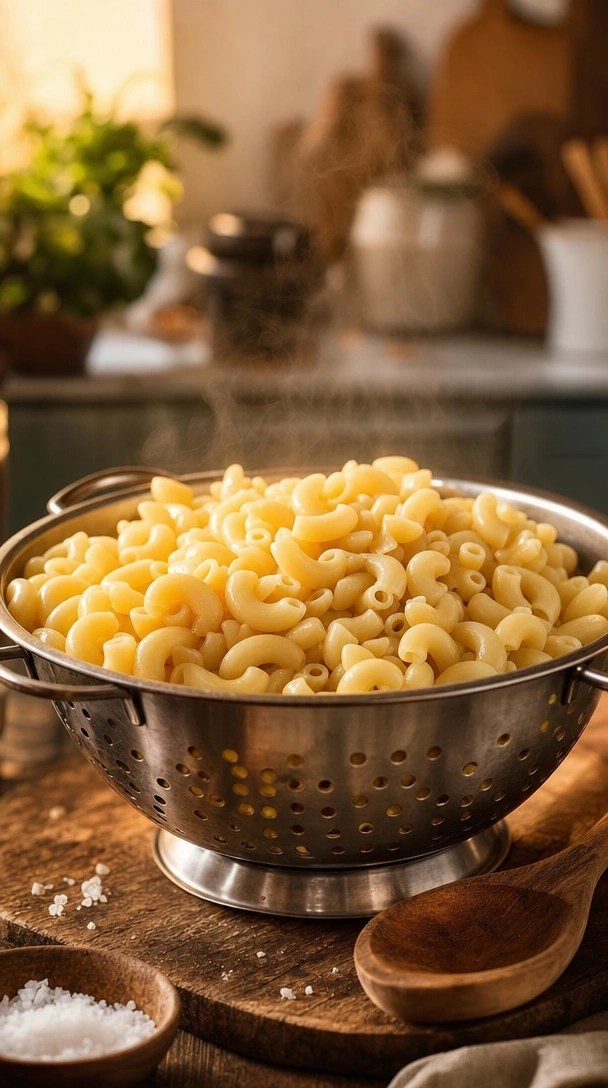
- Bring a large stockpot of heavily salted water to a rapid, rolling boil.
- Pour in the elbow macaroni and stir immediately to prevent sticking.
- Boil pasta al dente, checking it 2 minutes before the package directions indicate (it should have a firm bite).
- Drain immediately in a stainless steel colander and rinse briefly with cool water to stop the cooking process.
Pro-Tip: Rinsing the pasta is usually a culinary sin, but for baked macaroni, it stops the al dente pasta absorption process and washes away excess surface starch. This is a tested and proven ratio secret to stop your noodles from soaking up all your creamy cheese sauce in the oven!

4. Combine Heavy Cream and Whole Milk for the Perfect Base

Pin this dairy combination secret for the richest, most decadent sauce base!
To build the most decadent, rich cheesy sauce, you must properly combine dairy liquids to perfectly balance internal moisture and fat content. Using skim milk results in a thin, watery base that lacks structure, while exclusively using heavy whipping cream makes the dish overwhelmingly heavy and prone to grease separation. The culinary magic happens when you blend whole milk with heavy cream; this perfect hybridized ratio provides essential dairy fat breakdown prevention, successfully insulating the cheese proteins from the intense heat of the oven during baking.
Ingredients
- 2 cups whole milk (warmed)
- 1 cup heavy whipping cream (warmed)
- 1/2 teaspoon garlic powder
- 1/2 teaspoon smoked paprika
- 1 teaspoon Dijon mustard (crucial emulsifier)
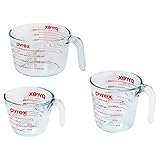
- Heat-resistant tempered glass measuring cups
Directions
- Measure the whole milk and heavy whipping cream into a microwave-safe glass measuring cup.
- Warm the combined dairy liquids gently in the microwave for 90 seconds to prevent shocking the hot roux.
- Pour the warm milk mixture slowly into the golden roux while whisking vigorously and constantly.
- Simmer sauce until thick, whisking in the Dijon mustard, garlic powder, and paprika, until the mixture coats the back of a spoon.
Pro-Tip: When debating heavy cream vs half and half, remember that heavy cream offers superior dairy fat breakdown prevention during baking. The high fat content insulates the proteins, ensuring your sauce stays a liquid-velvet creamy gooey inside rather than curdling under the high oven heat.
5. Emulsify the Cheese Sauce Completely Off the Heat
Save this crucial temperature trick to guarantee a silky smooth, grain-free cheese sauce!
The absolute most critical technical execution required to prevent grainy cheese sauce is to emulsify your cheese completely off the active heat source. The thermal breaking point of melted cheddar and gruyere is scientifically very low. If you leave your large heavy pot on an active, boiling burner while folding in the cheese, the intense direct heat will cause the delicate proteins to instantly seize up and expel their oils. The gentle residual heat of your thickened bechamel sauce is more than sufficient to melt the cheese into a flawless, smooth texture.
Ingredients
- Your thickened, hot bechamel milk base
- Your freshly grated sharp cheddar and gruyere cheese blend
- Large enameled cast iron Dutch oven or heavy skillet (for superior heat retention off the burner)
Directions
- Remove the Dutch oven completely from the heat source—this is the absolute most important step!
- Add the freshly grated cheese into the hot liquid in three smaller batches, rather than all at once.
- Whisk gently after each addition until the cheese melts completely.
- Emulsify cheese sauce until it forms a velvety, smooth texture with no visible lumps or oil separation.
Pro-Tip: The thermal breaking point of cheese is surprisingly low (around 150°F). If you boil your cheese, the proteins immediately contract and expel their fat, creating an unfixable, greasy, grainy mess. The residual heat of a heavy cast iron pot is more than enough to melt your cheese perfectly off the burner!

6. Layer the Macaroni and Cheese for a Gooey Inside

Pin this assembly hack to ensure every single bite of your casserole is ultra-cheesy!
To guarantee an exceptionally gooey inside alongside those highly sought-after bubbling edges, you must purposefully layer macaroni and cheese rather than merely dumping the entire batch into a baking dish at once. Creating an internal, dedicated vein of shredded cheddar right in the middle of your baked casserole acts as a structural moisture trap, actively binding the cheese mixture together as it gently heats. This specialized layering technique ensures that every single scoop pulled from the serving dish contains dramatic, restaurant-quality stretching cheese pulls.
Ingredients
- The fully coated, creamy macaroni mixture
- 1 cup of reserved freshly grated cheddar (for the middle layer)
- Non-stick cooking spray or softened butter
- 9×13 inch ceramic rectangular baking casserole dish (ceramic provides even, gentle heat distribution)
Directions
- Grease your baking dish thoroughly with butter or non-stick spray to prevent sticking.
- Pour exactly half of the creamy macaroni mixture into the bottom of the prepared dish.
- Layer macaroni and cheese by sprinkling the 1 cup of reserved grated cheddar evenly over the middle.
- Top with the remaining creamy macaroni mixture, spreading it out evenly to the edges.
Pro-Tip: When choosing between a sheet pan vs casserole dish bake, remember that a deep 9×13 ceramic dish is essential for maintaining that creamy gooey inside. A shallow pan exposes too much surface area to the oven’s heat, causing rapid moisture evaporation and a dry interior.

7. Top with Buttered Panko and Broil for a Crispy Crust

Save the ultimate secret to achieving that coveted, crunchy, golden-brown crust!
Achieving a spectacular crispy breadcrumb crust and a deeply golden brown top without overbaking the casserole requires a calculated dual-temperature approach. First, you must bake the dish gently to marry the flavors, and then broil for a crispy top to finish. When evaluating panko vs regular breadcrumbs, panko crumbs are structurally superior due to their electrical extrusion process, which produces large, airy, splintery flakes. Tossing these unique flakes in melted parmesan and butter creates a spectacular crunchy topping that provides the ultimate textural contrast.
Ingredients
- 1 cup authentic Japanese panko breadcrumbs (larger flakes yield better crunch)
- 1/4 cup grated parmesan cheese
- 3 tablespoons unsalted butter (melted)
- Heavy-duty oven mitts (for broiler safety)
Directions
- Toss the panko breadcrumbs, grated parmesan, and melted butter in a small bowl until the crumbs are evenly coated.
- Sprinkle the buttered panko mixture evenly over the top of the assembled casserole.
- Bake at 350 degrees Fahrenheit for exactly 20 minutes until the edges are bubbling.
- Broil for crispy top by turning your oven to ‘Broil’ and watching carefully for 3-5 minutes until a deep Maillard reaction golden-brown crust forms.
Pro-Tip: In the debate of panko vs regular breadcrumbs, panko wins every time for a crispy top mac and cheese. Panko is processed via electrical extrusion, creating airy, splintery flakes that absorb less oil and stay infinitely crispier under a broiler than standard, dense breadcrumbs!

Key Takeaways: Your Quick Guide to Crispy Creamy Baked Mac And Cheese
To ensure your next creamy cheesy baked mac and cheese recipe comes out flawlessly, refer back to these core scientific insights. By executing these tested and proven ratios and precise culinary steps, you guarantee a visually stunning and texturally perfect casserole every time you step into the kitchen.
Key Takeaways:
- Grate Block Cheese By Hand – Pre-shredded bagged cheeses are coated in anti-caking cellulose that prevents proper melting and guarantees a grainy, separated sauce.
- Master the 1:1 Roux Ratio – Using exactly equal parts butter and flour (by volume) ensures proper starch gelatinization, thickening the sauce without leaving a gluey, raw flour taste.
- Undercook Your Pasta – Always boil pasta al dente (1-2 minutes under package directions) to prevent the noodles from acting like a sponge and soaking up all your creamy sauce in the oven.
- Combine Heavy Cream and Whole Milk – This specific dairy blend prevents dairy fat breakdown under high heat, insulating the cheese proteins so the interior stays velvety.
- Remove from Heat Before Adding Cheese – The thermal breaking point of cheese is low; adding it to boiling liquid causes the proteins to seize and expel oil. Emulsify off the heat!
- Layer the Casserole for Maximum Gooeyness – Don’t just dump the mix in a pan. Layering a handful of shredded cheese in the middle of a 9×13 dish creates an ultra-gooey, molten center.
- Bake, Then Broil for the Ultimate Crust – Bake at 350°F to gently heat the dish, then hit it with the broiler for 3-5 minutes to trigger the Maillard reaction on your buttered panko topping.
People Also Ask About Crispy Creamy Baked Mac And Cheese
Perfecting your culinary technique often requires troubleshooting common pitfalls and addressing specific ingredient variations. Below, we resolve the most frequently asked questions about creamy baked mac and cheese, utilizing industry standard science to ensure you confidently avoid grainy textures and dry pasta.
How do I make creamy mac and cheese?
To make a truly creamy mac and cheese, you must build a proper bechamel sauce using a 1:1 butter and flour roux, combine heavy cream with whole milk, and melt freshly grated block cheese completely off the heat source.
Using pre-shredded cheese or boiling your cheese sauce will cause the dairy proteins to separate, resulting in a greasy, clumpy texture. A chef tested recipe relies on gentle heat and high-quality fat content to maintain a velvety, smooth texture through the baking process.
What makes mac and cheese creamy?
The creaminess in mac and cheese comes from the successful emulsification of dairy fats (from milk and cream) and cheese proteins, stabilized by the starches in a flour roux.
When the fat to flour ratio is balanced and the sauce isn’t exposed to excessive heat, the emulsion holds together. Ingredients like a touch of Dijon mustard also act as natural emulsifiers, helping to bind the cheese mixture and prevent an oily, broken sauce.
Why is my baked mac and cheese grainy?
Your baked mac and cheese becomes grainy when the cheese is exposed to temperatures that are too high, causing the proteins to tighten and squeeze out their fat.
This thermal breaking point of cheese is why you must always remove your sauce base from the stove before whisking in the cheese. Additionally, using pre-shredded cheese coated in anti-caking cellulose prevents smooth melting, leaving a gritty, sandy texture on the tongue.
How to make baked mac and cheese crispy on top?
To get a crispy top on baked mac and cheese, toss Japanese panko breadcrumbs with melted butter and parmesan cheese, sprinkle it over your casserole, and finish the dish under the broiler for 3-5 minutes.
While a cheese-only topping can become chewy or greasy, the panko extrusion crispiness ensures a shattering crunch. The high heat of the broiler triggers the Maillard reaction, creating deeply toasted, golden brown edges that contrast perfectly with the gooey interior.
How to stop baked mac and cheese from drying out?
Stop your baked mac and cheese from drying out by boiling your elbow pasta slightly al dente, rinsing it to stop the cooking, and baking the casserole in a deep dish rather than a shallow sheet pan.
If your pasta is overcooked before baking, it acts like a sponge, soaking up all your rich cheesy sauce in the oven. Using a deep 9×13 ceramic casserole dish also reduces surface area evaporation, retaining vital moisture for a creamy gooey inside.
What is the best cheese combination for mac and cheese?
The best cheese combination for creamy baked mac and cheese is a 50/50 blend of sharp cheddar cheese for robust, classic flavor and gruyere cheese for its exceptional melting qualities and nutty depth.
While mild cheddar melts well, it lacks flavor punch, and extra-sharp aged cheddar can separate and become oily when heated. Balancing a flavorful cheddar with a supreme melting cheese like gruyere is an award winning mac and cheese secret used by professionals.
How long do you bake mac and cheese at 350?
You should bake homemade mac and cheese uncovered at 350°F for exactly 20 to 25 minutes, just until the sauce is bubbling nicely around the edges.
Because the pasta is already cooked and the cheese sauce is hot when assembled, you are simply baking the dish to marry the flavors and warm it through. Overbaking past 25 minutes will rapidly dehydrate the sauce and leave you with a dry, stiff casserole.
Does cream cheese make mac and cheese creamy?
Yes, adding 2 to 3 ounces of softened cream cheese to your sauce base is an excellent cheat to ensure a highly stable, ultra creamy texture that resists breaking in the oven.
Cream cheese contains commercial stabilizers and a high concentration of dairy fat that helps emulsify the sharp cheddar and gruyere. It forms a velvety coat that provides fantastic dairy fat breakdown prevention, though it will add a slight tanginess to the final flavor profile.
How to reheat baked mac and cheese without drying it out?
To reheat baked mac and cheese without drying it out, stir in 1 to 2 tablespoons of whole milk per serving, cover the dish tightly with foil, and bake at 300°F until warmed through.
The foil traps the steam, while the extra milk replenishes the moisture that the pasta absorbed while sitting in the fridge. For individual portions, microwave on 50% power with a splash of milk, stirring halfway, to gently restore the smooth texture.
Can you bake mac and cheese without a roux?
Yes, you can bake mac and cheese without a roux by utilizing the sodium citrate technique or by relying on heavily reduced heavy whipping cream and evaporated milk.
Evaporated milk protein concentration naturally stabilizes cheese sauces without the need for flour. However, for a traditional, southern creamy baked mac and cheese recipe that holds up beautifully in a casserole dish with a crispy breadcrumb crust, a classic butter and flour bechamel base remains the gold standard.
Final Thoughts on Crispy Creamy Baked Mac And Cheese
Mastering the ultimate Crispy Creamy Baked Mac And Cheese isn’t about luck; it’s about respecting the fundamental food science behind your ingredients. By understanding the low thermal breaking point of cheese and the supreme importance of al dente pasta absorption, you successfully transition from simply following a recipe to commanding the culinary techniques that guarantee success every single time.
When you take the dedicated time to grate block cheese, patiently whisk a golden roux to proper thickness, and finish your casserole with a perfectly broiled panko crust, you effortlessly elevate a simple comfort food into a restaurant-quality centerpiece. The frustrating days of suffering through a grainy, dry, or oily pasta bake are officially behind you. You now possess the expert comfort food techniques required to deliver that coveted bubbling cheese center and savory crunch on demand.
Gather your heavy cream, pull out your cast iron skillet, and put these 7 foolproof secrets to the test for your next gathering. Your holiday guests and family members won’t just ask for seconds—they’ll aggressively demand the recipe! What is your favorite cheese combination to use in a baked macaroni dish? Let me know in the comments below!
Last update on 2026-08-13 at 19:08 / Affiliate links / Images from Amazon Product Advertising API
