As an Amazon Associate BakingBakewareSets.com earns from qualifying purchases.
Quick Bread Recipes: 11 Best No Yeast Loaves for 2026
Discover the 11 best quick bread recipes for sweet and savory no yeast loaves. Master the muffin method for a moist and tender crumb with zero proofing time.
Are you tired of waiting hours for yeast dough to rise? Busy home bakers often abandon delicious bread projects because proofing takes too long. Discovering quick bread recipes completely eliminates this frustrating waiting game forever.
A quick bread recipe is a chemically leavened loaf using baking powder or baking soda instead of biological yeast. Because they require zero kneading or proofing time, these fast bread recipes use the muffin method. This gently mixes dry and wet ingredients for a tender crumb ready to bake immediately.
Drawing from comprehensive test kitchen analysis and proven culinary methodologies, we guarantee flawless baking results. You will master this chemically leavened baking category through our exact temperature benchmarks and precise ingredient techniques. Explore these foolproof sweet and savory loaves to instantly elevate your homemade bread game.
☰ Table of Contents ▼
show
What Are Quick Bread Recipes and Why Are They the Ultimate Zero-Proofing Baking Hack?
What is a quick bread recipe? It is a chemically leavened loaf that bypasses biological yeast fermentation entirely, relying instead on baking powder or baking soda to achieve an instant oven spring. Because there is no need to knead or proof the dough, this category of baking represents the ultimate zero-proofing hack for busy home cooks who want fresh, bakery-quality bread in under an hour.
The foundational science behind best quick bread recipes lies in the activation of chemical leaveners. While traditional bread requires living yeast to consume sugars and slowly release gas over hours, quick breads utilize an immediate chemical reaction. For instance, the monocalcium phosphate activation found in baking powder reacts rapidly with heat and moisture, while baking soda reacts instantly upon contacting an acidic liquid like buttermilk.
To achieve the signature moist and tender crumb, these easy quick bread recipes uniformly rely on the “muffin method.” This technique requires you to whisk your dry and wet ingredients in separate bowls, only folding them together at the final moment to prevent tough gluten development.
| Feature | Quick Bread | Yeast Bread |
|---|---|---|
| Leavening Agent | Baking powder / Baking soda | Biological active dry or instant yeast |
| Mixing Technique | Muffin method (gentle folding) | Kneading (intense gluten development) |
| Proofing Time | Zero (bake immediately) | 1 to 24+ hours (fermentation) |
| Crumb Structure | Dense, tender, cake-like | Chewy, elastic, open cellular structure |
| Equipment | Standard loaf pan / Muffin tin | Baking stone / Dutch oven / Loaf pan |
Baking Science 101: Test Your Leaveners
Before starting any fast bread recipes, you must verify the potency of your chemical leaveners. To test baking soda freshness, drop a half-teaspoon into a splash of white vinegar; it should bubble vigorously. To test baking powder, drop a half-teaspoon into hot water. If neither reacts violently, throw them away. Using expired leaveners is the number one cause of dense, sunken loaves.
Understanding the specific gravity of quick bread batter is crucial. Because the batter is heavy, utilizing the spoon and level flour accuracy method prevents you from packing excess dry ingredients into your measuring cup. Furthermore, while the toothpick test is popular, the only foolproof way to ensure your quick bread recipes are fully baked without a gummy raw middle is to verify the internal crumb set temperature reaches exactly 200°F–205°F.
11 Best Quick Bread Recipes To Make This Year (Sweet & Savory No Yeast Loaves)
Curating the ultimate collection of homemade quick bread recipes means mastering both quick bread recipes sweet and quick bread recipes savory profiles. This comprehensive guide delivers a meticulously tested taxonomy of quick loaf bread options, ensuring you have the perfect quick bread recipes no yeast for any occasion.
From sweet dessert loaves (recipes 1-6) to robust savory companions for soups (recipes 7-11), every variation relies on the essential muffin method of mixing. Always use room temperature ingredients to maintain proper batter emulsion, and strictly verify that your internal crumb set temperature reaches exactly 205°F for flawless results. Prepare your standard loaf pan, grab your whisk, and let’s start baking.
1. Bake a Classic Moist Banana Bread

Pin this classic banana bread recipe to your “Baking Inspiration” board!
Baking the quintessential banana bread requires mastering the delicate balance between maximum fruit hydration and a strong structural crumb. Among sweet quick breads, this classic relies on the natural sugars and starches in overripe bananas to deliver an incredibly moist and tender crumb. By utilizing melted brown butter and keeping your dry ingredients and wet ingredients strictly separated until the final mix, you guarantee a bakery-quality texture without any rubbery density.
Ingredients
- 2 cups all purpose flour (240g, measured by weight)
- 1 teaspoon baking soda (ensure it is fresh)
- 1/2 cup unsalted butter, melted and cooled
- 3/4 cup brown sugar (adds moisture over granulated sugar)
- 3-4 overripe bananas, mashed (about 1.5 cups)
- 2 large eggs, room temperature
- 1 standard 8.5×4.5 inch aluminum loaf pan
Instructions
- Preheat oven to 350 degrees and line your loaf pan with a parchment paper sling for easy removal.
- Whisk dry ingredients together in a medium bowl (flour, baking soda, salt).
- Cream butter and sugar until light, then whisk in eggs, vanilla, and mashed bananas in a separate large bowl.
- Fold wet ingredients gently into the dry mixture until just combined—do not overmix, or the bread will become tough.
- Pour batter into prepared pan and bake for 55-65 minutes.
- Test with wooden skewer; it should come out clean. Cool completely on wire rack before slicing.
Pro-Tip: Overmixing develops the gluten matrix inhibition too early, leading to tough, rubbery loaf crumb. Stop folding the batter the exact moment the last streak of flour disappears, and always verify doneness by ensuring the internal temperature reached 205 degrees using a calibrated thermometer.
![Waytiffer Loaf Pans [25 Pack] 2Lb Heavy Duty Disposable Aluminum Foil Premium Bread Tins Standard Size - 8.5' X 4.5' X 2.5' Perfect for Homemade Cakes & Breads](https://m.media-amazon.com/images/I/41Oo8cFzkmL._SL160_.jpg)
2. Mix an Award-Winning Spiced Pumpkin Bread

Save this perfect autumn pumpkin bread recipe for your holiday baking!
Executing an award winning pumpkin quick bread recipe moist enough to stay fresh for days comes down to precise fat selection and batter hydration. Pumpkin bread relies heavily on pure pumpkin puree, which dramatically affects the starch gelatinization temperature within the loaf. By opting for neutral oil over butter, this fluffy interior recipe ensures a melt-in-your-mouth texture that perfectly highlights the complex profile of warm autumn spices.
Ingredients
- 1 ¾ cups all purpose flour (210g)
- 1 teaspoon baking soda and ½ teaspoon baking powder
- 1 ½ tablespoons premium pumpkin pie spice blend
- 1 cup pure pumpkin puree (not pie filling)
- ½ cup vegetable oil (ensures a moist crumb that stays fresh longer than butter)
- 1 cup granulated sugar and ½ cup brown sugar
- 2 large eggs, room temperature
Instructions
- Preheat oven to 350 degrees and prepare a 9×5 inch metal loaf pan with baking spray.
- Whisk dry ingredients together in a large bowl, ensuring the spices and leaveners are evenly distributed.
- Whisk wet ingredients (pumpkin, oil, sugars, eggs) in a separate bowl until completely smooth and emulsified.
- Fold wet ingredients gently into the flour mixture with a spatula.
- Pour batter into prepared pan and bake for 60-70 minutes.
- Tent loaf with aluminum foil at the 45-minute mark if the top is browning too quickly.
Pro-Tip: To prevent a sunken center quick bread, avoid opening the oven door during the first 45 minutes of baking. The sudden temperature drop halts the chemical leavening carbon dioxide release, causing the middle to collapse before the internal crumb structure sets.


3. Whip Up Chocolate Chip Zucchini Bread

Pin this genius trick for sneaking veggies into sweet quick bread!
A quick and easy zucchini bread recipe with chocolate chips is the ultimate summer baking project, but it carries a hidden trap: excess moisture. Zucchini bread naturally holds a massive amount of water that can ruin the flour matrix and result in a gummy, soggy bottom. By utilizing a heavy-duty box grater and aggressively wringing out the vegetable shreds, you protect the specific gravity of the batter, ensuring those heavy chocolate chips stay suspended in a light, fluffy crumb.
Ingredients
- 2 cups finely grated fresh zucchini (about 2 medium)
- 2 cups all purpose flour (240g)
- 1 teaspoon baking soda and ½ teaspoon baking powder
- ¾ cup granulated sugar and ½ cup packed light brown sugar
- ½ cup neutral vegetable oil
- 2 large eggs
- 1 cup semisweet chocolate chips (tossed in 1 tbsp flour)
Instructions
- Shred and squeeze zucchini dry using a heavy-duty box grater, then press the shreds between paper towels to remove excess moisture.
- Preheat oven to 350 degrees and generously grease a 9×5 loaf pan.
- Whisk wet ingredients (eggs, oil, sugars) until well combined, then stir in the dried zucchini shreds.
- Whisk dry ingredients together in a separate bowl, then gently fold them into the wet mixture.
- Incorporate mix ins evenly by gently folding in the flour-tossed chocolate chips.
- Pour batter into prepared pan and bake for 50-60 minutes until a toothpick inserted in the center comes out with moist crumbs.
Pro-Tip: To prevent fruit from sinking to bottom (or in this case, chocolate chips), toss your heavy mix-ins in a tablespoon of flour before folding them into the batter. This lipid fat coating of the gluten strands creates friction, holding the chips suspended as the loaf bakes.

4. Create a Zesty Lemon Blueberry Quick Bread

Save this bright and zesty bakery-style lemon loaf!
Crafting a brilliant lemon blueberry quick bread with lemon glaze drizzle demands careful attention to pH balances. Unlike basic sweet quick breads, this recipe introduces highly acidic fresh lemon juice to the batter, requiring precise baking powder leavening combined with baking soda for neutralization. By massaging the citrus oils directly into the sugar and evenly distributing the blueberries, you create a coffee-shop quality dessert that avoids dense tunnel holes and delivers a perfectly tart, melt-in-your-mouth finish.
Ingredients
- 1 ½ cups all purpose flour (180g)
- 1 teaspoon baking powder and ¼ teaspoon baking soda
- 1 cup granulated sugar
- Zest of 2 large lemons and ¼ cup fresh lemon juice
- ½ cup buttermilk (room temperature)
- 1 ½ cups fresh or frozen blueberries (do not thaw if frozen)
- For the Glaze: 1 cup powdered sugar + 2 tablespoons lemon juice
Instructions
- Preheat oven to 350 degrees and prepare a standard loaf pan with a parchment sling.
- Massage lemon zest into the sugar using your fingers until fragrant—this releases essential oils for maximum flavor.
- Whisk wet ingredients (buttermilk, oil, eggs, lemon juice, zested sugar) in a large bowl.
- Whisk dry ingredients together in a separate bowl, then fold gently into the wet mixture.
- Incorporate mix ins evenly by folding in the blueberries carefully.
- Pour batter into prepared pan, bake 55 minutes, and whisk powdered sugar glaze while the bread cools.
Pro-Tip: The acidic lemon juice combined with the buttermilk provides the necessary pH balance in baking soda leavening. Always use fresh lemon juice, as bottled juice alters the pH and can result in a metallic aftertaste or a failed oven spring.
5. Bake a One-Bowl Cinnamon Swirl Quick Bread

Pin this easy one-bowl coffee cake alternative for your next weekend brunch!
This one bowl cinnamon swirl quick bread recipe produces a show-stopping coffee cake loaf with minimal cleanup. The secret to achieving a distinct, gooey cinnamon swirl + sugar topping without it dissolving into the surrounding vanilla batter lies in layering dynamics. The dense, buttery batter acts as a stable foundation, allowing the heavy sugar ribbons to melt during the oven spring, creating a gorgeous crackled loaf top that rivals any professional bakery offering.
Ingredients
- 2 cups all purpose flour (240g) and 1 tbsp baking powder
- 1 cup granulated sugar
- 1 cup whole milk and ⅓ cup neutral oil
- 2 large eggs and 2 tsp pure vanilla extract
- For the Swirl: ⅓ cup granulated sugar + 2 tablespoons ground cinnamon
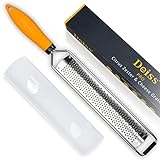
- Heavy-duty wire cooling rack
Instructions
- Whisk wet ingredients (sugar, milk, oil, eggs, vanilla) vigorously in your single large mixing bowl.
- Whisk dry ingredients together directly on top of the wet ingredients, then fold until just combined.
- Preheat oven to 350 degrees and grease a 9×5 inch pan.
- Pour half the batter into the prepared pan, then sprinkle evenly with ¾ of the cinnamon-sugar swirl mixture.
- Top with the remaining batter, sprinkle with the remaining cinnamon sugar, and use a butter knife to swirl in an “S” pattern.
- Bake for 45-50 minutes. Cool completely on wire rack to allow the sugar ribbon to set.
Pro-Tip: The thick layer of cinnamon sugar works through sucrose hygroscopic moisture retention, drawing moisture from the surrounding crumb to create that signature gooey ribbon. Wait at least 2 hours before slicing, or the hot sugar layer will cause the slice to fall apart.

6. Utilize Leftovers with a Sourdough Discard Quick Loaf

Don’t throw away that sourdough discard! Pin this rapid yeast-free recipe.
Learning how to make quick bread using sourdough discard transforms inactive, leftover starter into a robust, sliceable no fermentation bread. This sourdough discard + quick loaf method relies heavily on precise hydration control, requiring a digital scale for measurement. By utilizing the starter strictly for its complex lactic acid flavor rather than biological leavening, the recipe relies entirely on the powerful reaction between baking soda + acidic liquid to generate an immediate, dramatic rise.
Ingredients
- 1 cup (227g) unfed sourdough discard (room temperature)
- 2 cups (240g) all purpose flour
- 1 teaspoon baking soda and 1 teaspoon kosher salt
- ¼ cup melted butter or olive oil
- 2 tablespoons honey or maple syrup
- ½ cup milk
- High-precision digital kitchen scale
Instructions
- Measure flour using spoon and level method or ideally, measure all ingredients by weight in grams using your digital scale.
- Preheat oven to 350 degrees and grease an 8.5×4.5 inch pan.
- Whisk wet ingredients (sourdough discard, milk, melted butter, honey) in a large bowl until the discard is fully dissolved.
- Whisk dry ingredients together and gently fold them into the sourdough mixture.
- Pour batter into prepared pan—it will be quite thick, like a drop biscuit dough.
- Bake for 45-50 minutes, then test with wooden skewer for doneness.
Pro-Tip: Sourdough discard quick bread vs traditional sourdough comes down to leavening mechanics. The lactic and acetic acids in the discard react violently with the alkaline baking soda. Once mixed, get the pan into the oven immediately to capture the chemical leavening carbon dioxide release before it dissipates.

7. Bake Classic Buttermilk Irish Soda Bread

Save this authentic 4-ingredient Irish Soda Bread for your St. Patrick’s Day feast!
Among traditional savory quick breads, authentic Irish soda bread stands apart for its absolute simplicity and rustic crust. This no knead dough is a masterclass in acid-base food chemistry, requiring the potent combination of soda bread + buttermilk to achieve its signature lift. Because it is shaped into a free-form round loaf and prevented from sticking with heavy-duty parchment paper, it bakes faster than standard pan loaves, delivering a crunchy exterior and a tender, dense interior perfect for tearing.
Ingredients
- 4 cups all purpose flour (480g)
- 1 ½ teaspoons baking soda
- 1 teaspoon kosher salt
- 1 ¾ cups cold buttermilk (do not substitute regular milk)
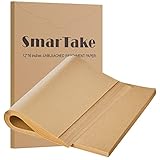
- Heavy-duty unbleached parchment paper
Instructions
- Preheat oven to 400 degrees and line a baking sheet or cast iron skillet with heavy-duty parchment paper.
- Whisk dry ingredients together in a large, wide bowl.
- Make a well in the center and pour in the cold buttermilk.
- Fold wet ingredients gently using a wooden spoon or your hands just until a shaggy dough forms. Requires no kneading.
- Shape gently into a round disk and place on the parchment paper.
- Score a deep “X” into the top of the dough using a sharp knife and bake for 45 minutes until golden brown.
Pro-Tip: Never substitute regular milk for buttermilk in Irish Soda bread. The high acidity of true buttermilk is required to neutralize the alkaline baking soda. Furthermore, scoring the deep “X” into the top allows the center of the dense dough to expand outward, ensuring an even internal crumb set temperature.
8. Mix a Sharp Cheddar and Jalapeño Bread

Pin this incredible savory cheese bread to serve with your next bowl of chili!
When crafting the best savory quick bread recipes for soup and stew, achieving structural integrity is paramount. This quick savory cheese bread no yeast 60 minutes recipe utilizes a heavy matrix of cheddar cheese + fresh jalapeño that requires careful handling to prevent the loaf from becoming a greasy, dense brick. By coating the cheese in dry flour and strictly observing food safety cooling guidelines before slicing with a serrated knife, you produce a highly robust, sliceable quick loaf that holds up perfectly to warm butter and hearty chili.
Ingredients
- 2 ½ cups all purpose flour (300g)
- 1 tablespoon baking powder and ½ tsp salt
- 1 ½ cups shredded sharp cheddar cheese (reserve ¼ cup for the top)
- 2 fresh jalapeños, seeded and finely diced
- 1 cup whole milk and ⅓ cup melted butter
- 2 large eggs
- Professional serrated bread knife for slicing
Instructions
- Preheat oven to 350 degrees and heavily grease a 9×5 inch pan, ensuring the corners are coated to stop the loaf from sticking to the pan bottom.
- Whisk dry ingredients together, then toss the shredded cheese and diced jalapeños in the flour mixture to coat them.
- Whisk wet ingredients in a separate bowl until smooth.
- Fold wet ingredients gently into the dry, cheesy flour mixture until no dry spots remain.
- Pour batter into prepared pan and sprinkle the reserved ¼ cup of cheese over the top.
- Bake for 50-60 minutes. Cool completely, then slice with serrated bread knife.
Pro-Tip: Always toss your cheese and peppers into the dry flour before adding wet ingredients. This simple step prevents dense tunnel holes in the crumb and stops the heavy add-ins from sinking to the bottom of the pan during the oven spring.

9. Master Quick Crusty Beer Bread

Three ingredients and one hour to the best savory bread you’ll ever bake. Pin it!
This quick crusty dutch oven bread without yeast rise time is arguably the most famous shortcut in modern baking. True beer bread relies on the carbonation and residual yeast flavors in the beverage to mimic long fermentation, creating a complex flavor profile that easily wins the homemade quick bread vs boxed quick bread mix debate. By drenching the raw dough with beer bread + melted butter, you essentially deep-fry the top crust during the bake, resulting in a dramatic crunch that contrasts beautifully with the tender, aerated interior.
Ingredients
- 3 cups all purpose flour (360g)
- 1 tablespoon baking powder and 1 tsp salt
- ¼ cup granulated sugar or honey
- 1 (12 oz) bottle of beer (room temperature—stouts, IPAs, or lagers all work differently)
- ½ cup (1 stick) unsalted butter, melted
- Heavy-duty glass mixing bowl set
Instructions
- Preheat oven to 375 degrees (note the higher temperature for maximum crust development) and grease a 9×5 loaf pan.
- Whisk dry ingredients together in a large glass mixing bowl.
- Pour the room-temperature beer into the dry ingredients and fold wet ingredients gently until a sticky, shaggy dough forms.
- Pour batter into prepared pan.
- Pour the entirely melted stick of butter directly over the top of the raw batter.
- Bake for 50-60 minutes until the top is deeply golden, craggy, and crunchy.
Pro-Tip: Pouring melted butter over the raw batter is what creates that signature deep-fried, crunchy crust. The carbonation in the beer provides mechanical aeration during the oven spring, making this heavy batter surprisingly light on the inside.

10. Whip Up Moist Red Pepper Cornbread

Save this skillet cornbread recipe for barbecue season!
Is cornbread considered a quick bread? Yes, absolutely. Authentic cornbread is a chemically leavened skillet bread that anchors the savory quick breads category. While often baked in a glass dish, achieving a truly superior crust requires a pre-heated, butter-coated cast iron skillet. By pouring cold buttermilk-hydrated batter directly into screaming hot metal, you instantly trigger the Maillard reaction crust development, yielding a crispy bottom that prevents the bread from turning crumbly and dry.
Ingredients
- 1 cup yellow cornmeal and 1 cup all purpose flour (120g each)
- 1 tablespoon baking powder and ½ tsp baking soda
- 1 cup buttermilk and ⅓ cup melted butter
- 2 large eggs
- ½ cup finely diced sweet red bell pepper
- 10-inch pre-seasoned cast iron skillet
Instructions
- Place your empty cast iron skillet into the oven and preheat oven to 400 degrees to get the pan screaming hot.
- Whisk dry ingredients together in a large bowl.
- Whisk wet ingredients in a separate bowl, then combine the wet and dry until just mixed.
- Fold in the diced red peppers.
- Carefully remove the hot skillet, add a tablespoon of butter to melt instantly, and pour batter into prepared pan (it should sizzle!).
- Bake for 20-25 minutes until the edges pull away from the pan.
Pro-Tip: Heating the cast iron skillet before adding the batter guarantees a crispy, fried-like bottom crust. This technique instantly initiates the Maillard reaction crust development, preventing the dense, soggy bottoms common in glass loaf pans.

11. Prepare an Olive & Onion Quick Bread

Pin this elegant, yeast-free Mediterranean loaf for your next dinner party!
For an impressive potluck bread loaf that mirrors the complexity of artisanal focaccia with zero proofing time, this olive and onion variation ranks among the best savory quick bread recipes for soup and stew. Integrating heavy, wet inclusions like caramelized onions and kalamata olives requires precise moisture management and extreme care during the fold. Utilizing a seamless silicone spatula ensures you do not over-develop the gluten matrix, maintaining a delicate crumb structure that makes easy cleanup a breeze while delivering complex Mediterranean flavors.
Ingredients
- 2 ½ cups all purpose flour (300g)
- 1 tablespoon baking powder and 1 tsp salt
- 1 cup whole milk and ⅓ cup extra virgin olive oil
- 2 large eggs
- ¾ cup chopped Kalamata olives (patted completely dry)
- ½ cup caramelized onions (cooled and drained of oil)
- 1 tablespoon fresh chopped rosemary
- Seamless silicone baking spatula
Instructions
- Preheat oven to 375 degrees and line a 9×5 loaf pan with parchment paper.
- Whisk dry ingredients together in a large bowl, including the fresh rosemary.
- Whisk wet ingredients (milk, olive oil, eggs) until emulsified.
- Fold wet ingredients gently into the dry using a silicone spatula.
- Incorporate mix ins evenly by folding in the dried olives and cooled onions just before the last streaks of flour disappear.
- Pour batter into prepared pan and bake for 50-60 minutes.
Pro-Tip: Always pat wet ingredients like olives completely dry before adding them to a quick bread. Excess liquid alters the batter hydration percentage, which can lower the starch gelatinization temperature and result in a gummy, underbaked ring around the mix-ins.

Key Takeaways: Your Quick Guide to Quick Bread Recipes
Synthesizing the core methodologies behind every quick bread recipes summary reveals a strict adherence to fundamental baking science. Whether you are crafting sweet banana bread or a savory cheddar loaf, the muffin method of mixing and proper baking powder leavening remain non-negotiable. To ensure your loaves rise consistently without tunneling or collapsing, bookmark these essential test kitchen rules, uniformly tested in standard aluminum loaf pan dimensions, for guaranteed success every time you bake.
Key Takeaways:
- Master the Muffin Method of Mixing: To achieve a moist and tender crumb, always mix your dry ingredients and wet ingredients in separate bowls. Combine them at the very last second using a gentle folding motion to prevent over-developing the gluten matrix.
- Understand Your Chemical Leaveners: Quick bread recipes without yeast rely entirely on the carbon dioxide release from baking soda and baking powder. Baking soda requires an acidic liquid (like buttermilk or lemon juice) to activate, while baking powder activates with heat and moisture.
- Rely on Internal Temperature, Not Just the Toothpick Test: While the toothpick inserted in center method is classic, the only foolproof way to prevent a gummy raw middle is to verify the internal crumb set temperature has reached 200°F–205°F using a calibrated probe thermometer.
- Pan Size Dictates Baking Time: A recipe tested in standard aluminum loaf pan sized 8.5×4.5 inches will yield a taller, more domed loaf but takes 10-15 minutes longer to bake than a wider 9×5 inch pan.
- Coat Mix-Ins in Flour: To prevent dense heavy items like berries, nuts, or chocolate chips from sinking to the bottom, toss them in a tablespoon of flour. This creates friction against the batter’s specific gravity.
- Respect the Cooling Process: Cool completely on wire rack before slicing. Slicing a loaf while it is still steaming hot disrupts the retrogradation of starch, turning the beautifully baked crumb into a gummy, compressed mess.
- Tent with Foil to Prevent Overbrowning: Because of the high sugar content in sweet quick breads, the crust often browns before the center is cooked. Tent loaf with aluminum foil at the 45-minute mark to halt the Maillard reaction on the surface while the core finishes baking.
FAQs About Quick Bread Recipes
Navigating the technical nuances of common quick bread queries requires a solid understanding of baking science. Whether you are wondering why did my quick bread sink in the middle or asking can you freeze quick bread loaves, mastering these foundational rules ensures consistent results. The test kitchen answers below address the most frequent problems bakers encounter, from understanding why did my quick bread crack on top to solving gummy bottoms. By applying these authoritative, tested solutions, you can confidently troubleshoot any recipe and salvage your delicious homemade quick bread recipes from common kitchen failures.
What makes quick bread different from yeast bread?
A quick bread is leavened with chemical leaveners like baking soda and baking powder, whereas traditional bread is leavened with biological yeast. Because chemical leaveners react instantly with moisture and heat, quick breads require zero kneading or proofing time. They have a cake-like batter rather than an elastic dough, and they are baked immediately after mixing.
Why did my quick bread sink in the middle?
A sunken center in quick bread is usually caused by opening the oven door too early, underbaking, or using expired leavening agents. The sudden rush of cold air causes the expanding carbon dioxide bubbles to collapse before the internal crumb structure sets. Ensure your oven is fully preheated, test your baking powder for freshness, and never open the door during the first 45 minutes of baking.
Can you freeze quick bread loaves?
Yes, you can easily freeze quick bread loaves for up to three months by wrapping them tightly in plastic wrap and aluminum foil. According to food safety cooling guidelines, you must allow the loaf to cool completely on a wire rack first. Freezing a warm loaf traps condensation, which will cause the bread to become soggy and promote freezer burn.
Why is my quick bread dry and crumbly?
Dry and crumbly quick bread is the result of overmeasuring flour, overbaking, or omitting necessary fat. Always measure flour using the spoon and level method or a digital scale in grams; scooping flour directly from the bag packs it tightly, resulting in up to 25% too much dry ingredient. Additionally, verify your oven temperature with a calibrated thermometer.
Why did my quick bread crack on top?
A cracked top on a quick bread is not a mistake; it is actually the hallmark of a perfectly baked loaf. As the exterior crust sets in the hot oven, the interior batter continues to expand and rise. The pressure forces the set crust to split open, creating the signature crackled loaf top and allowing steam to escape.
What happens if you overmix quick bread batter?
Overmixing quick bread batter over-develops the gluten matrix, resulting in a tough, rubbery loaf with dense tunnel holes. You should only use the “muffin method” for mixing—gently folding the wet and dry ingredients together with a spatula. Stop mixing the exact second the last streak of dry flour disappears, even if the batter remains slightly lumpy.
Do quick breads need baking powder or baking soda?
Quick breads require either baking powder, baking soda, or a combination of both depending on the acidity of the batter. Baking soda requires an acidic liquid (like buttermilk, lemon juice, or sour cream) to activate. Baking powder contains its own acid and activates with moisture and heat. Professional test kitchen recipes often use both to achieve the perfect pH balance and rise.
How to store quick bread so it stays soft?
To keep quick bread soft, store it in an airtight container at room temperature for up to 4 days, placing a paper towel inside to absorb excess moisture. Do not refrigerate quick breads, as the cold temperature accelerates the retrogradation of starch, causing the loaf to dry out and turn stale much faster than it would on the counter.
Why is my quick bread gummy at the bottom?
A gummy, underbaked layer at the bottom of your loaf is caused by inadequate baking time, excess moisture from fruit/vegetables, or a pan that is too small. If you are baking a zucchini or fruit loaf, you must squeeze the excess liquid from the produce. Always verify doneness by ensuring a thermometer inserted into the center reads 205°F.
Can you convert a quick bread recipe to muffins?
Yes, you can convert almost any standard quick bread recipe into muffins by increasing the oven temperature and drastically reducing the bake time. Pour the batter into a greased muffin tin and bake at 375°F or 400°F for 18-22 minutes. The higher heat creates the coveted domed muffin top, while the smaller volume bakes much faster than a standard loaf pan.
Final Thoughts on Quick Bread Recipes
Mastering quick bread recipes is one of the most rewarding skills a home baker can acquire. By skipping the tedious kneading and multi-hour proofing times required for yeast breads, you unlock the ability to create bakery-quality sweet and savory loaves on a whim. Whether you need a comforting dessert, a homemade holiday gift, or a rustic side dish for a weeknight stew, these recipes deliver immediate, delicious results.
The secret to a perfect, moist and tender crumb lies entirely in respecting the basic science: measure your flour by weight, avoid overmixing your batter, and trust an internal probe thermometer over the clock. Once you understand the mechanics of chemical leaveners and the simplicity of the muffin method, you can easily adapt any basic quick bread recipe to utilize whatever seasonal produce or pantry staples you have on hand.
Armed with these 11 meticulously kitchen-tested recipes and the technical troubleshooting knowledge to prevent common baking failures, you are ready to produce flawless loaves every single time.
Which of these easy quick bread recipes are you going to bake first? Are you leaning toward the sweet comfort of classic banana bread, or the savory crunch of the cheddar jalapeño loaf? Let us know your baking plans in the comments below!
Last update on 2026-09-29 / Affiliate links / Images from Amazon Product Advertising API
